1914


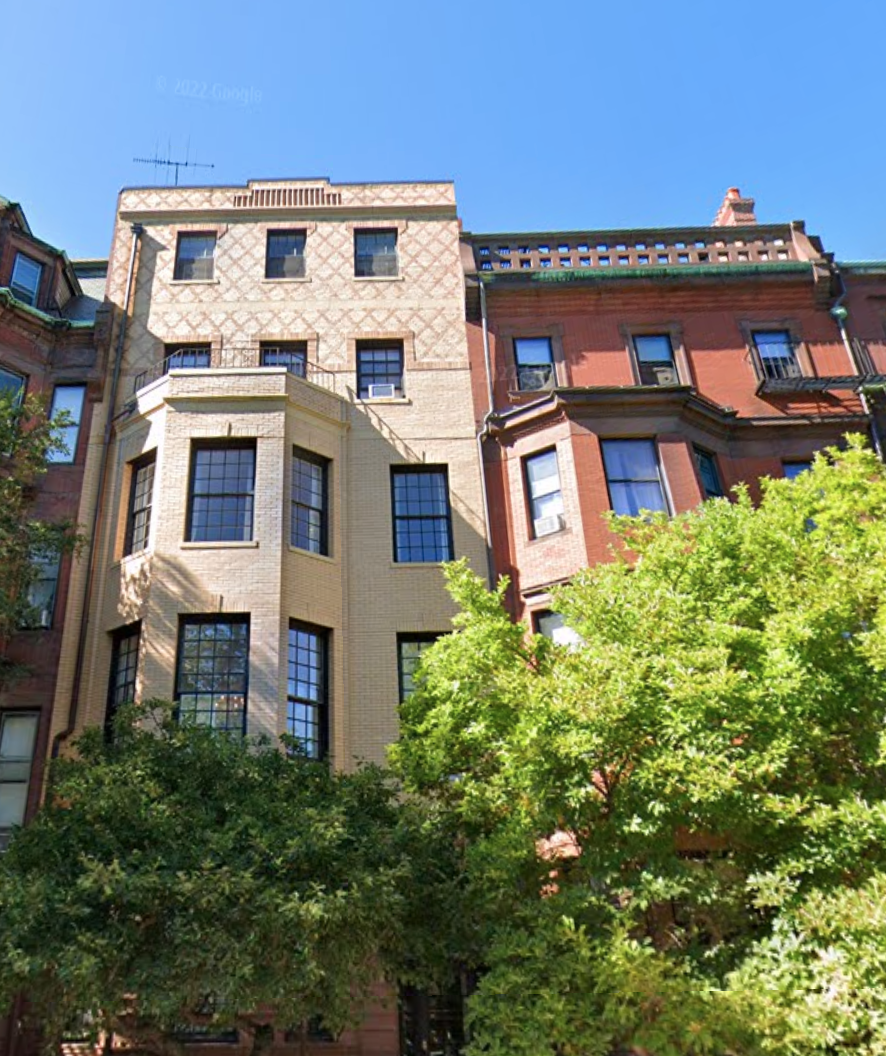
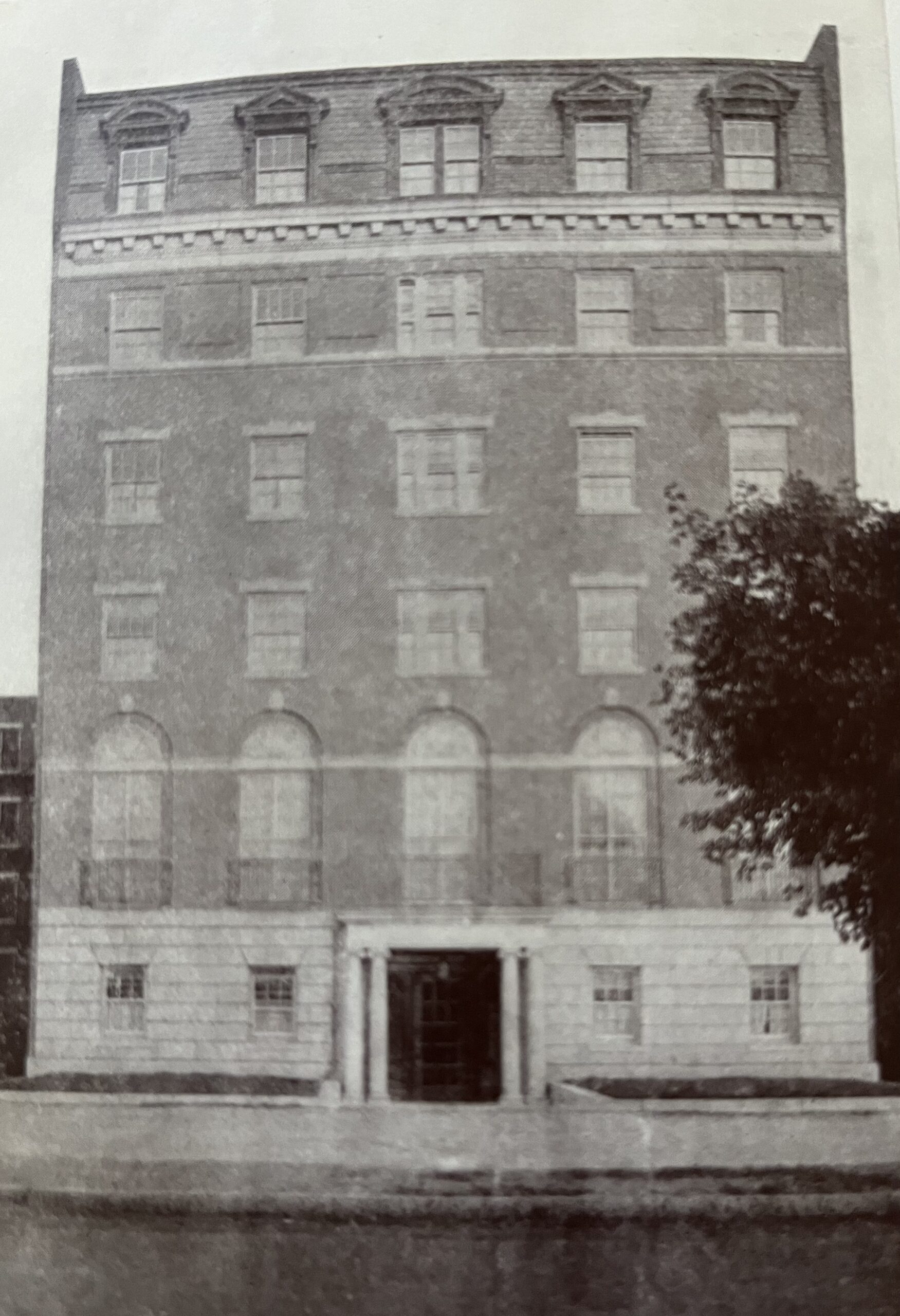
The Students’ House Corporation, under the direction of Mary S. Holmes and Charlotte Upham Baylies, built at 96 The Fenway a home for our Students’ House, which had been in rented quarters since its inception in 1899. They engaged architects Kilham & Hopkins, raised a large portion of its construction cost ($124K), and secured a mortgage for the remainder.  The building is now Kerr Hall, a Northeastern University dormitory.


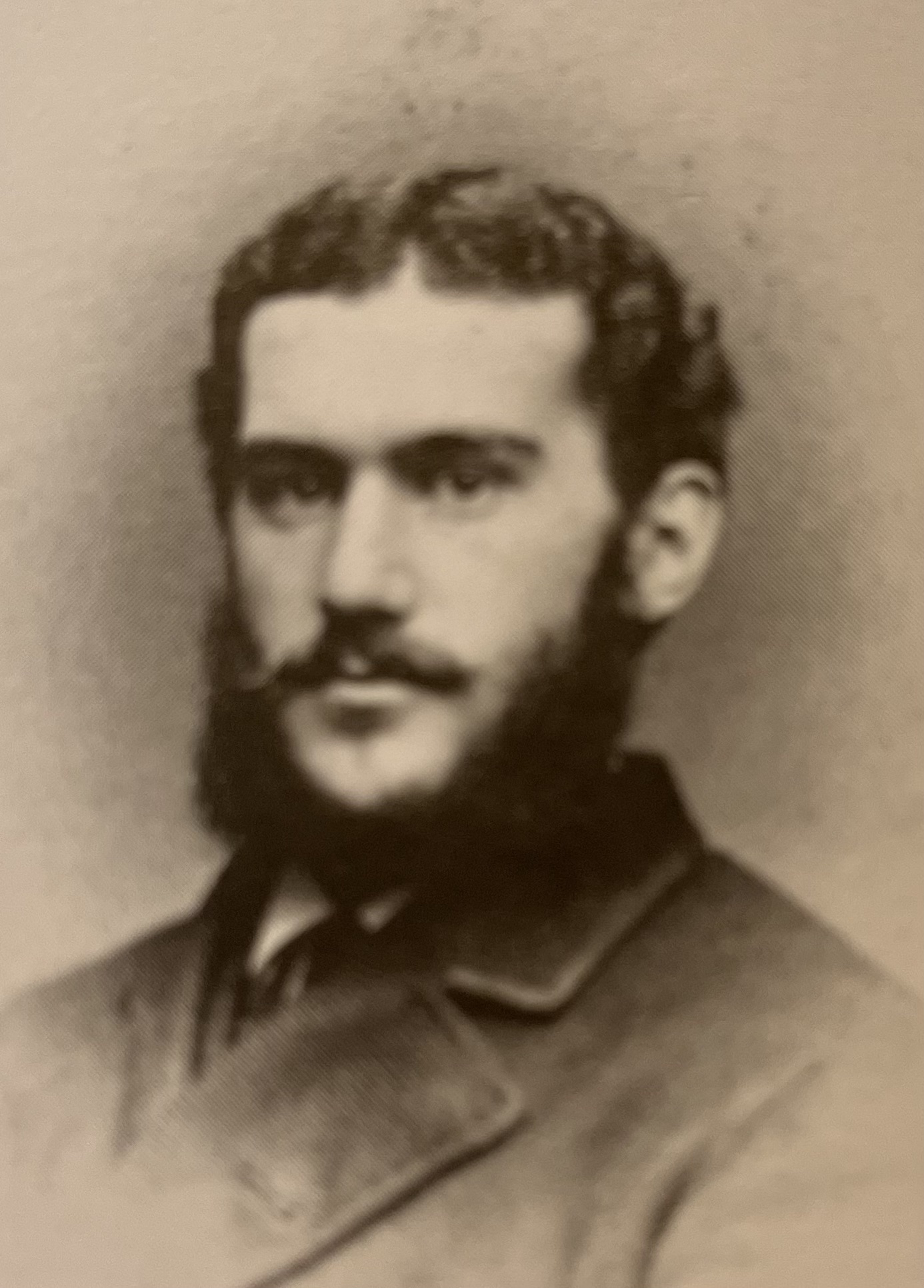
October 6.  About a thousand people attended the funeral service for financier, philanthropist, and parishioner Gardiner Martin Lane (born 1859).  The Rev. Dr. Elwood Worcester, The Rt. Rev. William Lawrence,  The Rev. John W. Suter of Winchester, and The Rev. Prescott Evarts from Lane’s Harvard Class of 1881 officiated.  Pallbearers included President  A. Lawrence Lowell of Harvard, Sen. Henry Cabot Lodge, Charles Francis Adams, and several of his partners from Lee Higginson & Co.. Lynnwood Farnum played a Tchaikovsky funeral march and “Dead March” from Handel’s “Saul”. The boys choir sang “Abide with me” and “The strife is over”.
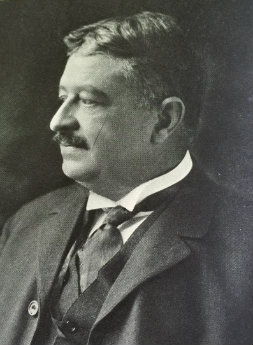
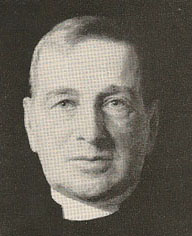
Gardiner Martin Lane from Harvard College Class of 1881 biography of him in the papers of Katharine Lane Weems at the Schlesinger Library, Radcliffe.

As treasurer of the New England chapter of the International Red Cross, Lane collected and distributed relief funds for the Salem fire (1914), the San Francisco earthquake (1906), and other disasters.  Appointed trustee of the Museum of Fine Arts in 1906, and elected its president in 1907, he oversaw its move from Copley Square to the Evans Building on Huntington Ave., which was designed by Emmanuelite Guy Lowell.  Spearheading the Museum’s fundraising effort for the new facility, Lane said, “A mere collection of beautiful objects is of little value unless seen, appreciated, and understood by many.”

Gardiner was born in Cambridge in 1859 to Fannie Bradford and Harvard philologist George Martin Lane, who became the first Harvard professor to receive a pension. Gardiner graduated from Harvard in 1881 and married Emma Louise, a daughter of Basil L. Gildersleeve, his father’s colleague at Johns Hopkins U.. The Lanes are buried in Mt. Auburn Cemetery’s Lot 1727 on Yarrow Path. His widow and daughter Katharine Lane Weems, were parishioners for years after his death and generous benefactors of Emmanuel.

See also our pages World War I Memorial and Katharine Lane Weems.
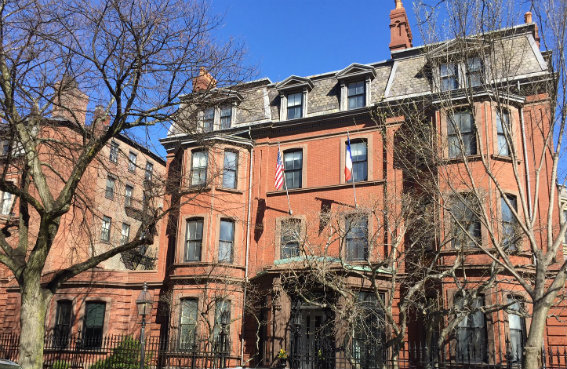
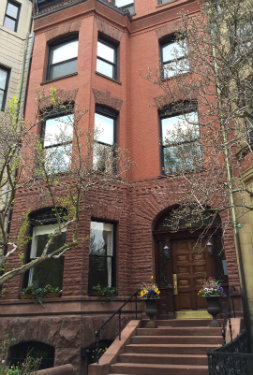
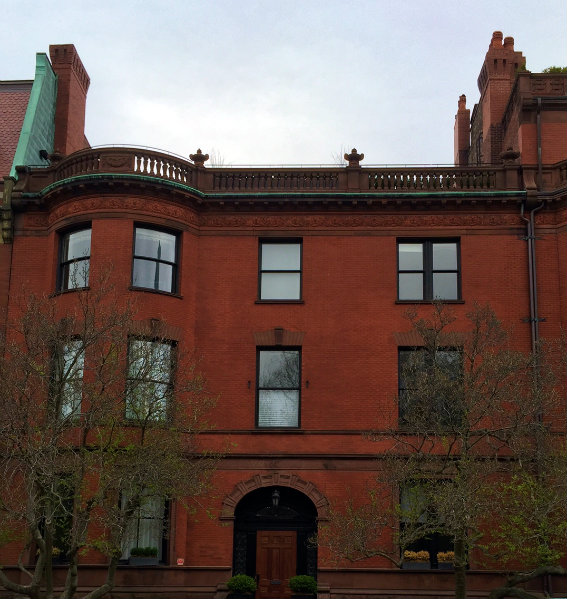
The Lanes’ home at 53 Marlborough is now the French Cultural Center.
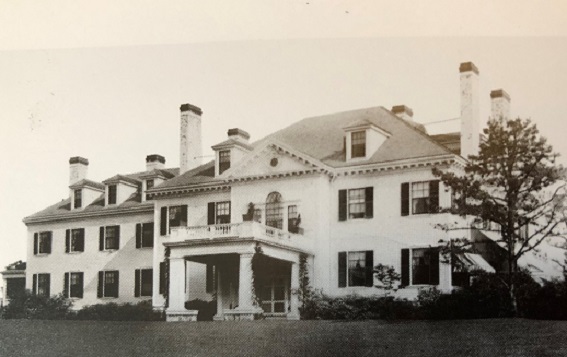
The Lanes’ summer house, The Chimneys, in Manchester by the Sea, MA was designed by Emma G. Lane’s brother Raleigh C. Gildersleeve.
1904

  • Leighton Parks was called to St. Bartholomew’s, New York City.

    The Rev. Dr. Elwood Worcester

  • The Rev. Dr. Elwood Worcester was called as our fourth rector.  He had received a PhD. from the University of Leipzig, where he studied psychology under Wilhelm Wundt and Gustav Fechner.  Upon his arrival he started the Emmanuel Class for Tuberculosis, which became the basis for what the press named the Emmanuel Movement.
  • Architect Arthur Lawrence Rotch became junior warden.

For more about the Worcester years please see the chapter on him in Emmanuel Church, 1860-1960: The First Hundred Years.

For more about the Emmanuel Movement please search our page & Timeline entries:  1905, 1909 & 1919.

1898

  • F.R. Allen’s early proposal for the reoriented nave

    April 19.  Francis R. Allen‘s plans were approved and work began on the expansion of our sanctuary. The plan shows a pre-existing extension from the chapel to include a two-story parish house including offices and a bathroom on the first floor for the rector and parish administrator.

  • Henrietta Sargent, daughter of our benefactor Mary Robeson Sargent (1847-1919) and Charles Sprague Sargent, married architect Guy Lowell at St. Paul’s Church, Brookline.   CSS has a botanical legacy in the Professor Sargent camellia, which was released in 1908.
  • Florence R. Rhodes rented a cottage on Sandy Pond in Lincoln MA as a summer camp for girls of Church of the Ascension, which was run by Deaconess Henrietta Goodwin and Helen E. Moulton, intern from the NY Training School for Deaconesses.

1894

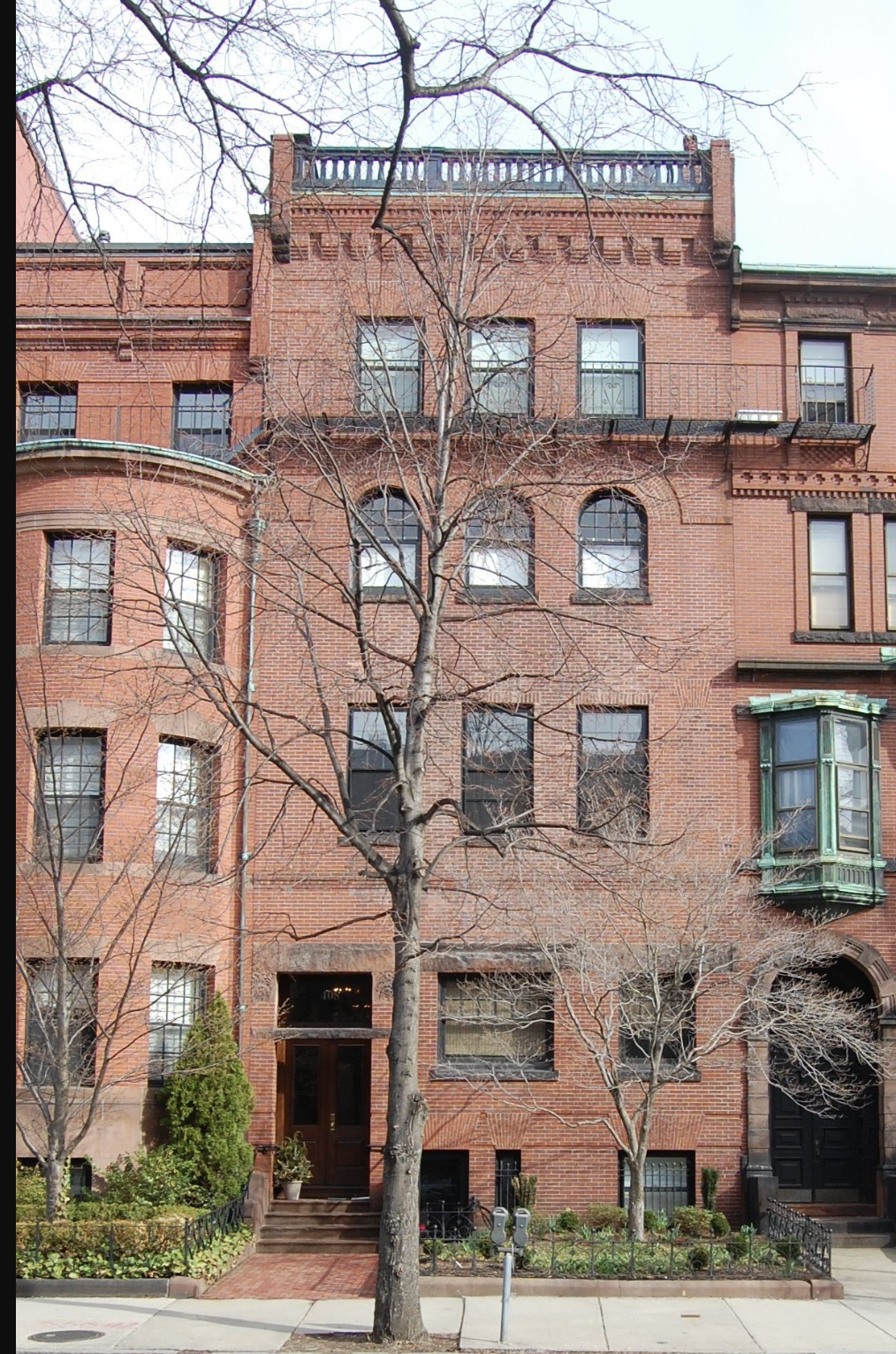
August 15.  Architect and vestryman Arthur Rotch died of pleurisy at the age of 44.  In 1892, he had moved to 82 Commonwealth Avenue with his bride Lisette DeWolf Colt.  Son of Benjamin and Annie Rotch, founding members of   Emmanuel, Arthur had graduated from Harvard College in 1871, studied architecture at MIT in 1872-3, and then gone to Paris to study at the Ecole des Beaux-Arts.  In 1880, he joined George Tilden in designing houses at 197, 211, 215, 231 & 233 Commonwealth Avenue, among others.  In 1886, with associate Ralph Adams Cram, they built Church of the Holy Spirit, Mattapan.  In 1889, they designed a mission chapel for Emmanuel, which was never realized.

In 1886, Arthur became a member of the Corporation of MIT and served as chairman of its Department of Architecture until his death. Having with his sisters established in 1883 the Rotch Traveling Scholarship in memory of their father, he bequeathed funds for the Rotch Library at MIT.  He was chairman of Harvard’s Visiting Committee of Fine Arts, founder of the Boston Architectural Club, trustee of the Museum of Fine Arts, and trustee and benefactor of the Mass. Eye & Ear Infirmary.  Our Rotch Reredos was given by his sister Aimee Sargent in memory of him, their sister Edith. and their parents.

Houses at 231 & 233 Commonwealth Ave.

215 Commonwealth Ave.


See also

  • 1886 for Church of the Holy Spirit, Mattapan, which he designed.
  • Wikipedia’s entry for Arthur  & for a list of their works Rotch & Tilden
  • Back Bay Houses for their works in the Back Bay
  • Bainbridge Bunting‘s Houses of Boston’s Back Bay (Cambridge: Harvard U. Press, 1967) discusses several of their works in depth.
  • A Continental Eye: The Art and Architecture of Arthur Rotch: the Catalogue of an Exhibition Held at the Boston Athenæum, December 10th, 1985, through January 24th, 1986, and at the Klimann Gallery of the MIT Museum, February 10th through April 5th, 1986, by  Harry L. Katz and Richard Chafee.

    211 Commonwealth Ave., Boston


1892

Rector Leighton Parks reported in the Year-Book of Emmanuel Parish that the number of communicants had grown during his tenure of fourteen years from 210 to 500. He expected the Sunday school, which had 75 children when he arrived, to reach 300 children by the year’s end.  Expressing concern for expansion of the church’s facilities to accommodate this growth, he had asked the Vestry to investigate buying land west of the City for a new church.

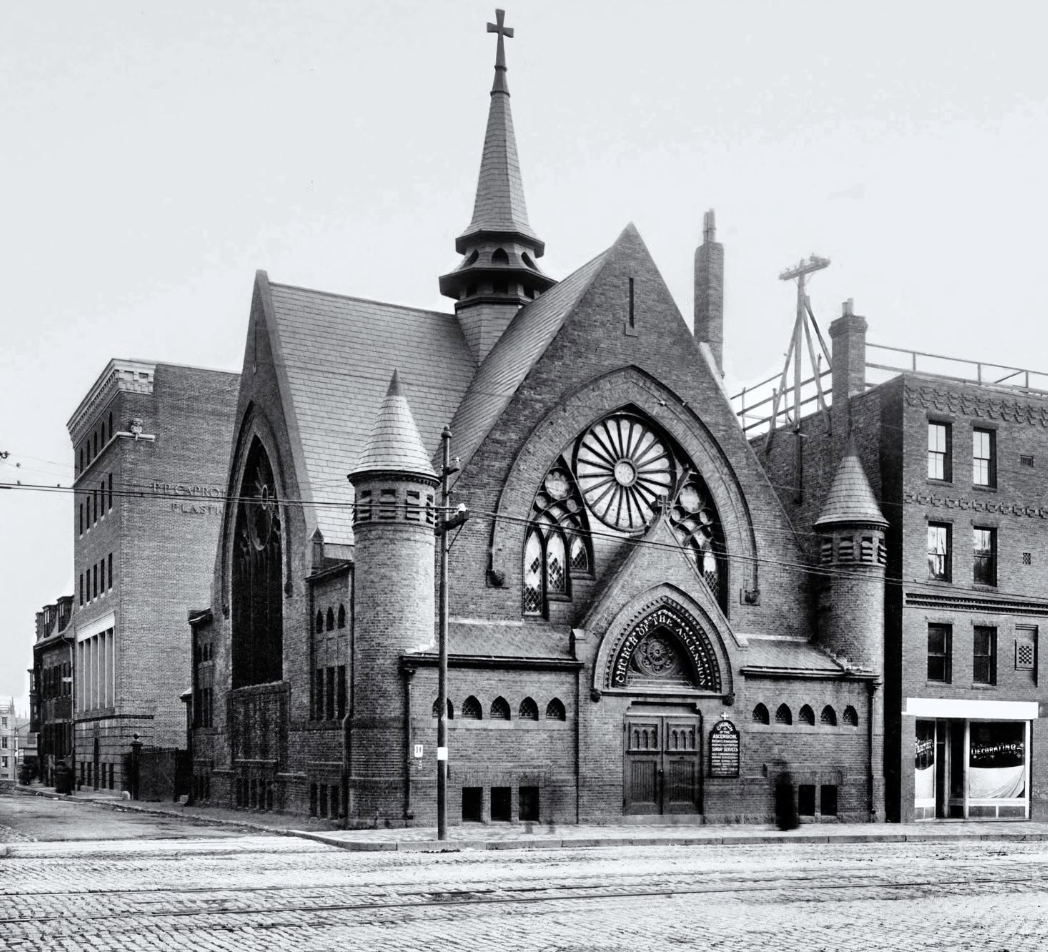
Our mission Church of the Ascension’s yellow-brick Gothic Revival building was completed at 1906 Washington St.  Parishioner Francis Richmond Allen would direct in 1901 structural improvements and an enlargement of its parish house. On the National Register of Historic Places, it now houses the Grant African Methodist Episcopal Church. The Rev Carlton Putnam Mills served as Minister in Charge.

Church of the Ascension, 1906 Washington St., South End, is now the Grant AME Church.

1889


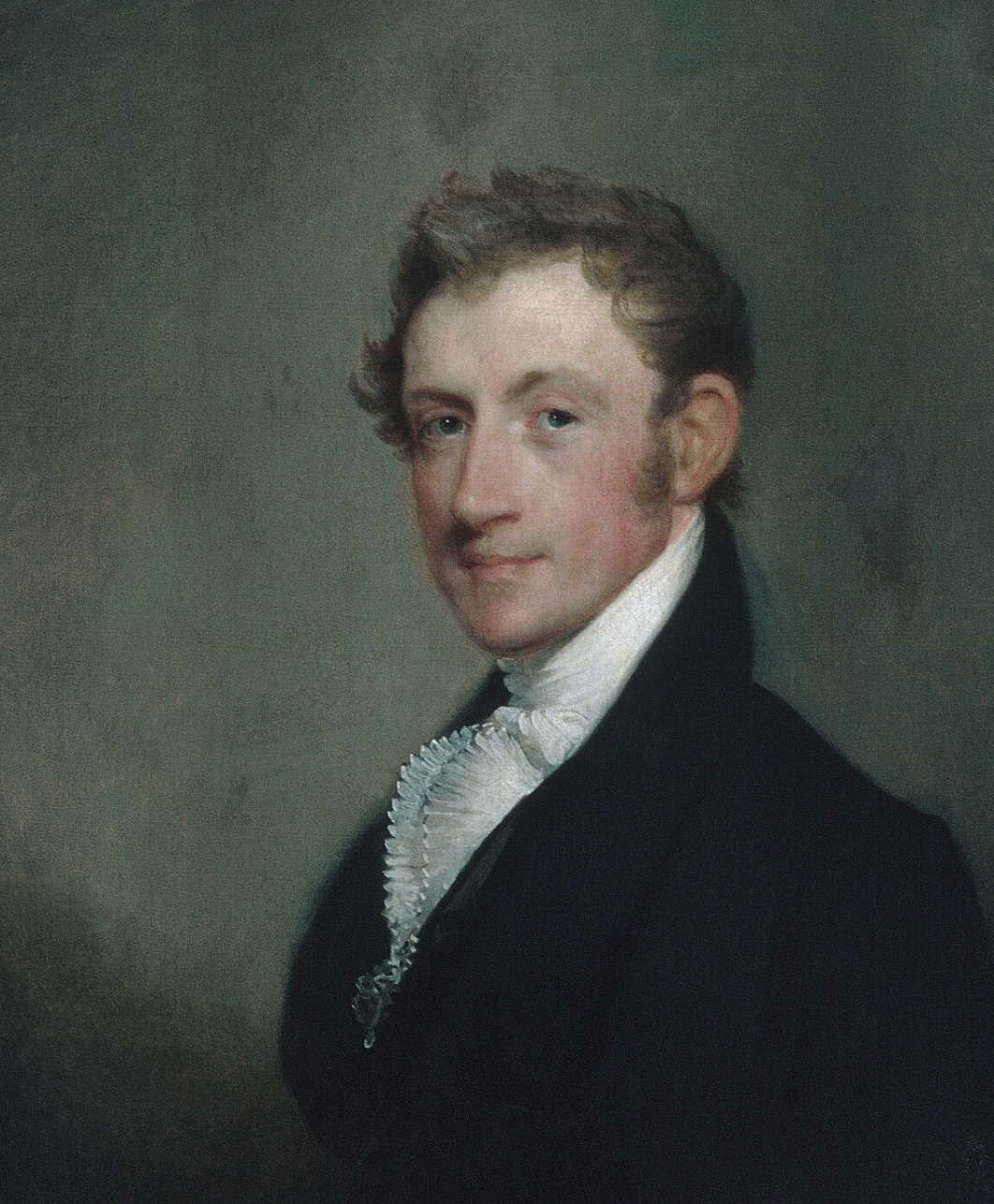
A generous bequest from David Sears (1787-1871) via his son, parishioner Knyvet Winthrop Sears (1832-1891) funded the purchase of land on Washington St. for a replacement of a storefront location for our  mission Chapel of the Ascension.  The chapel would be consecrated as our mission church in 1890, and its new home would be completed at 1906 Washington St. (at the corner of  Newcomb St.)  in 1892. Parishioner Arthur Rotch was engaged as architect. His firm Rotch & Tilden also built Church of the Holy Spirit, Mattapan MA, and Church of St. Saviour’s Episcopal Church, Bar Harbor ME.

Painting by Gilbert Stuart of David Sears, Jr. (credit: Metropolitan Museum of Art, WikiCommons). Benefactor of the Cathedral Church of St. Paul, Boston; Christ Chruch, Longwood, Brookline & Emmanuel Church

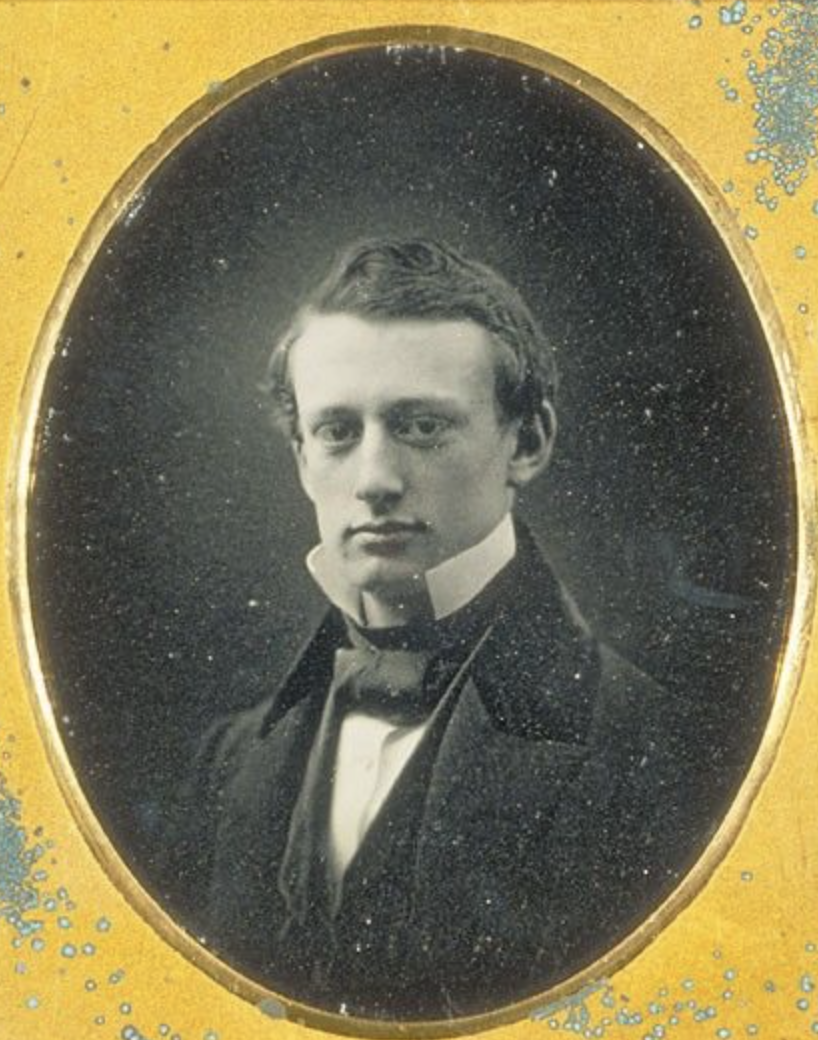
Knyvet Winthrop Sears, Harvard U. Archives. KWS, Class of 1852

1887

Dr. Richard Manning Hodges and his wife Frances Gardner White (first cousin of parishioner John Lowell (Jack) Gardner, Jr.) moved into their house @ 408 Beacon St., which was designed by parishioner Francis Richmond Allen.  Dr. Hodges, who had served on our vestry 1874-75, published in 1891 his account of the first use of ether for surgical anesthesia at Massachusetts General Hospital.

The door from our sanctuary to the sacristy is dedicated to his memory.

1861

March 24. The Rev. Dr. Frederic Dan Huntington (May 28, 1819-July 11, 1904) was ordained and became Emmanuel’s First Rector. See also the chapter on him in Emmanuel Church, 1860-1960: The First Hundred Years.

June 17. Cornerstone laid for the church on Newbury St.  Alexander Esty (18 Oct. 1826 – 2 July 1881) was our architect.

1 Oct. William Reed Huntington, who had studied theology under Dr. Huntington at Harvard, was ordained to the transitional diaconate.  After serving as assistant to Dr. Huntington for a year, he became rector of All Saints Church, Worcester.

Dec 15. First service in the church