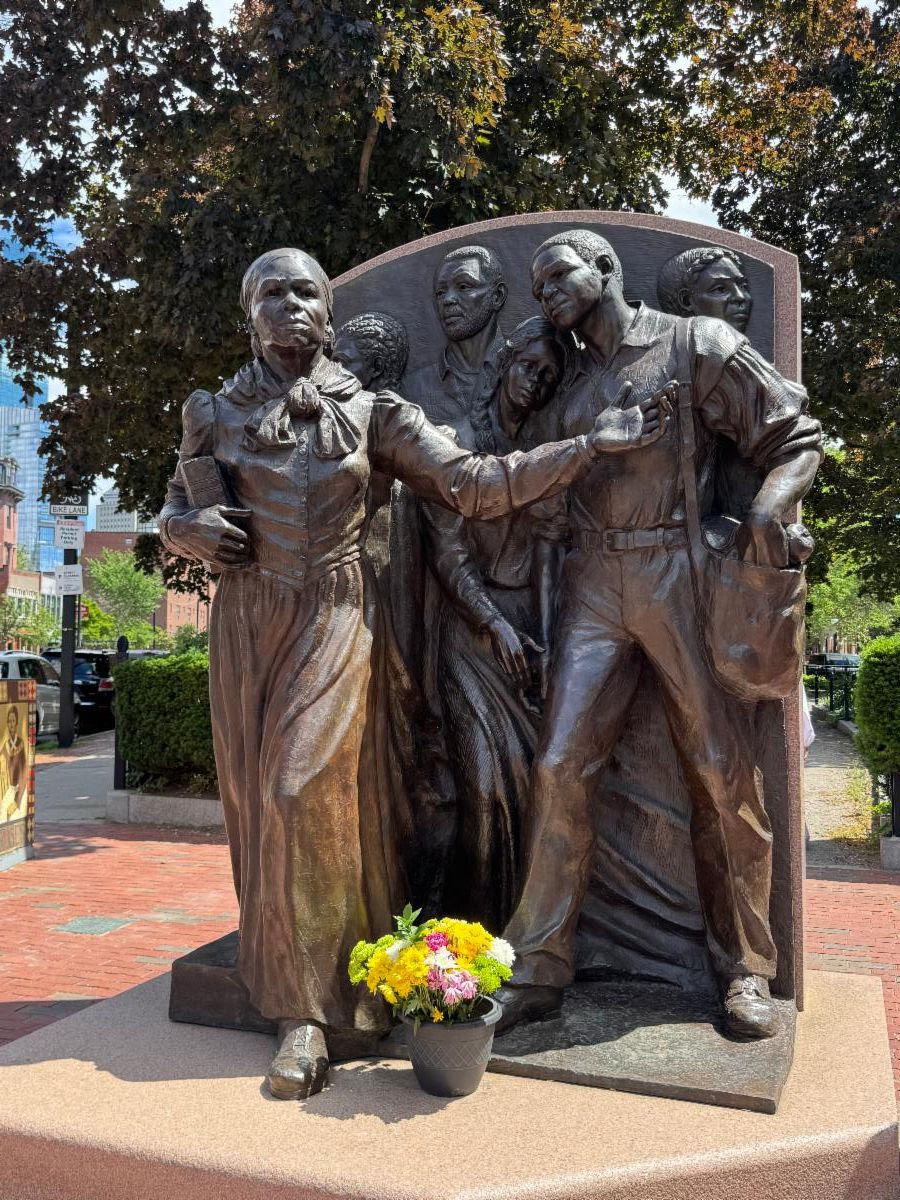
The Green Book Tour: Some Highlights

Fern Cunningham’s sculpture Step on Board shows aboltionist Harriet Ross Tubman with a Bible under her arm.

On June 20th, 2026, I joined The Green Book Tour led by Byron Rushing and the Rev. June Cooper.  The Negro Motorist Green Book, published between 1936 and 1966 as a guidebook for African American roadtrippers, became known as simply The Green Book..

On this sunny but windy day we all met outside of the Union United Methodist Church (originally a Congregational Church) on Columbus Avenue in Boston. There were about a dozen of us in addition to the leaders of the tour. Both Byron and June have a depth of knowledge about the South End of Boston and the history of the businesses which were advertised in The Green Book. These businesses, including hotels, were either Black-owned or served Negroes. Charlie’s Sandwich Shoppe on Columbus Ave. is still operating. It was originally owned by a Greek family and was advertised in The Green Book.

The Harriet Tubman House on Holyoke Street offered rooms to Black women who were either in school or working in Boston and would not have been able to rent in the area otherwise. Very near to this location we visited the Harriet Tubman Park with its two sculptures, one of which honors Harriet Tubman herself. The other sculpture sported a traffic cone on its top; evidence of a visit by the Tartan Army, which had visited Boston from Glasgow for the World Cup.

This area attracted many jazz musicians during the height of the Jazz Age. Of the many clubs once open there were two that were Black-owned establishments: Wally’s Café (originally Wally’s Paradise located across the street from its present location) and Estelle’s,  which is now a condominium building at 888 Columbus Ave.. The Hi-Hat at the corner of Mass. Ave. and Columbus Ave., which burned down after the Second World War, was replaced by a settlement house. It is now modern housing (apartments and/or condominiums). The Columbus Avenue African Methodist Episcopal Zion (AMEZ) Church on the corner of Columbus Avenue and Northampton Street was originally a synagogue. Where one would usually see a rose window, it has a Mogen David or Jewish Star.

Our tour ended at Slade’s, where we had lunch and chatted amongst ourselves. It was a beautiful day for a long walk in Boston.

–Mary Beth Clack, Mary Blocher, Cindy Coldren, Pat Krol, Liz Levin
1986

  • Our vestry adopted a resolution on inclusive language and welcomed changes in the language of liturgy and hymns.
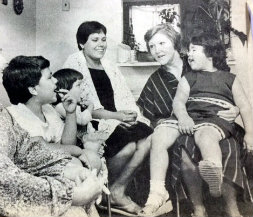
  • Constance Hammond helping Gabriela Perez get a haircut, 1983. Photo credit: Michael Thompson & Hillsboro (OR) Argus

    Ordained as a deacon in our diocese,The Rev. Constance Hammond launched its Refugee Immigration Ministry, which continues to provide community-based support to individuals and families who have been uprooted by violence. In the summer of 1983, between semesters at Harvard Divinity School, she had worked with people in the Latino community in Portland, Oregon. We are proud to have sponsored her for the priesthood.

  • 19 August. Constance Rulison Worcester, daughter of our 4th rector, Elwood Worcester, died.  She had converted his rectory at 186 Marlborough St. to affordable housing for seniors. Bequeathed to an organization overseen by the Episcopal City Mission, it still provides affordable housing.

See also 1978.


1914


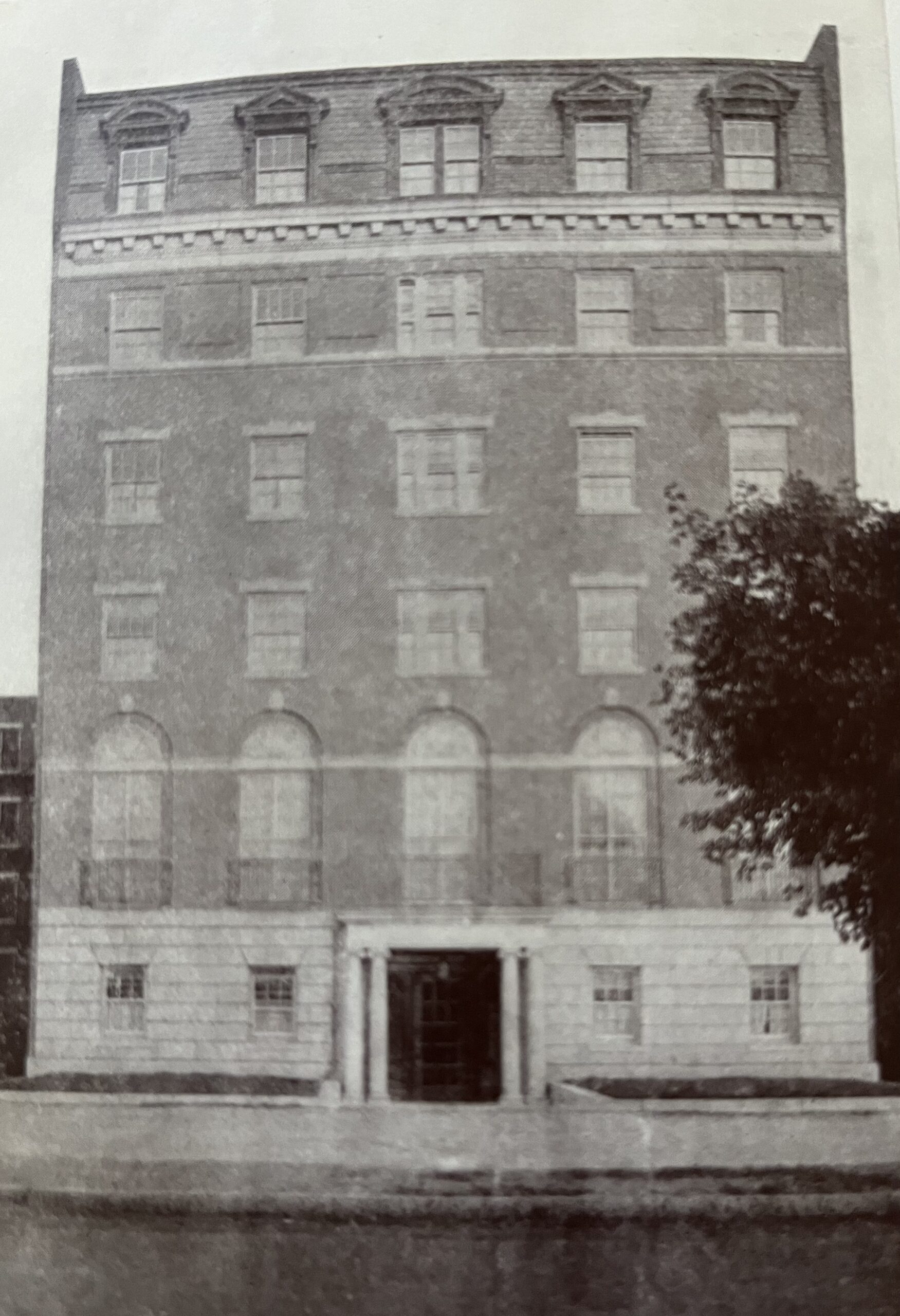
The Students’ House Corporation, under the direction of Mary S. Holmes and Charlotte Upham Baylies, built at 96 The Fenway a home for our Students’ House, which had been in rented quarters since its inception in 1899. They engaged architects Kilham & Hopkins, raised a large portion of its construction cost ($124K), and secured a mortgage for the remainder.  The building is now Kerr Hall, a Northeastern University dormitory.


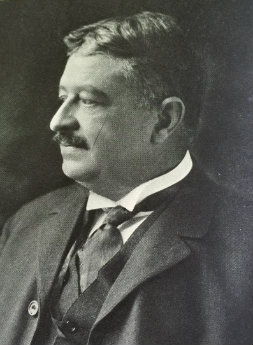
October 6.  About a thousand people attended the funeral service for financier, philanthropist, and parishioner Gardiner Martin Lane (born 1859).  The Rev. Dr. Elwood Worcester, The Rt. Rev. William Lawrence,  The Rev. John W. Suter of Winchester, and The Rev. Prescott Evarts from Lane’s Harvard Class of 1881 officiated.  Pallbearers included President  A. Lawrence Lowell of Harvard, Sen. Henry Cabot Lodge, Charles Francis Adams, and several of his partners from Lee Higginson & Co.. Lynnwood Farnum played a Tchaikovsky funeral march and “Dead March” from Handel’s “Saul”. The boys choir sang “Abide with me” and “The strife is over”.

Gardiner Martin Lane from Harvard College Class of 1881 biography of him in the papers of Katharine Lane Weems at the Schlesinger Library, Radcliffe.

As treasurer of the New England chapter of the International Red Cross, Lane collected and distributed relief funds for the Salem fire (1914), the San Francisco earthquake (1906), and other disasters.  Appointed trustee of the Museum of Fine Arts in 1906, and elected its president in 1907, he oversaw its move from Copley Square to the Evans Building on Huntington Ave., which was designed by Emmanuelite Guy Lowell.  Spearheading the Museum’s fundraising effort for the new facility, Lane said, “A mere collection of beautiful objects is of little value unless seen, appreciated, and understood by many.”

Gardiner was born in Cambridge in 1859 to Fannie Bradford and Harvard philologist George Martin Lane, who became the first Harvard professor to receive a pension. Gardiner graduated from Harvard in 1881 and married Emma Louise, a daughter of Basil L. Gildersleeve, his father’s colleague at Johns Hopkins U.. The Lanes are buried in Mt. Auburn Cemetery’s Lot 1727 on Yarrow Path. His widow and daughter Katharine Lane Weems, were parishioners for years after his death and generous benefactors of Emmanuel.

See also our pages World War I Memorial and Katharine Lane Weems.

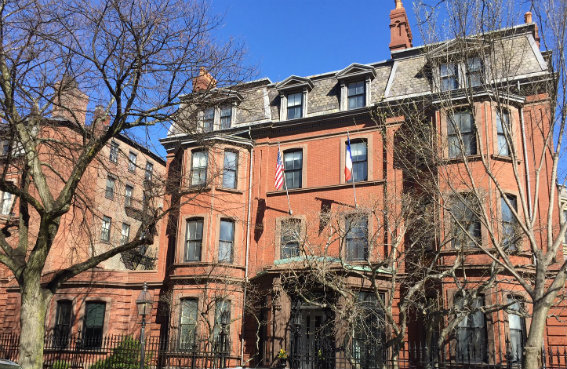
The Lanes’ home at 53 Marlborough is now the French Cultural Center.

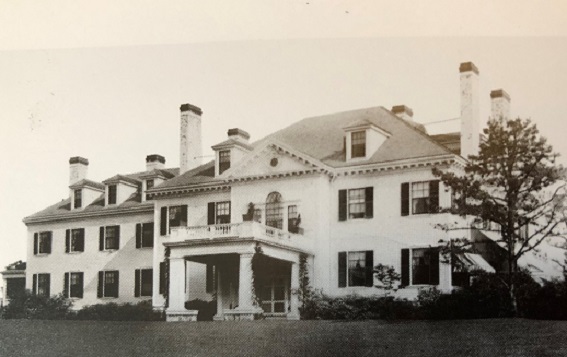
The Lanes’ summer house, The Chimneys, in Manchester by the Sea, MA was designed by Emma G. Lane’s brother Raleigh C. Gildersleeve.

1899

  • The new sanctuary was dedicated.
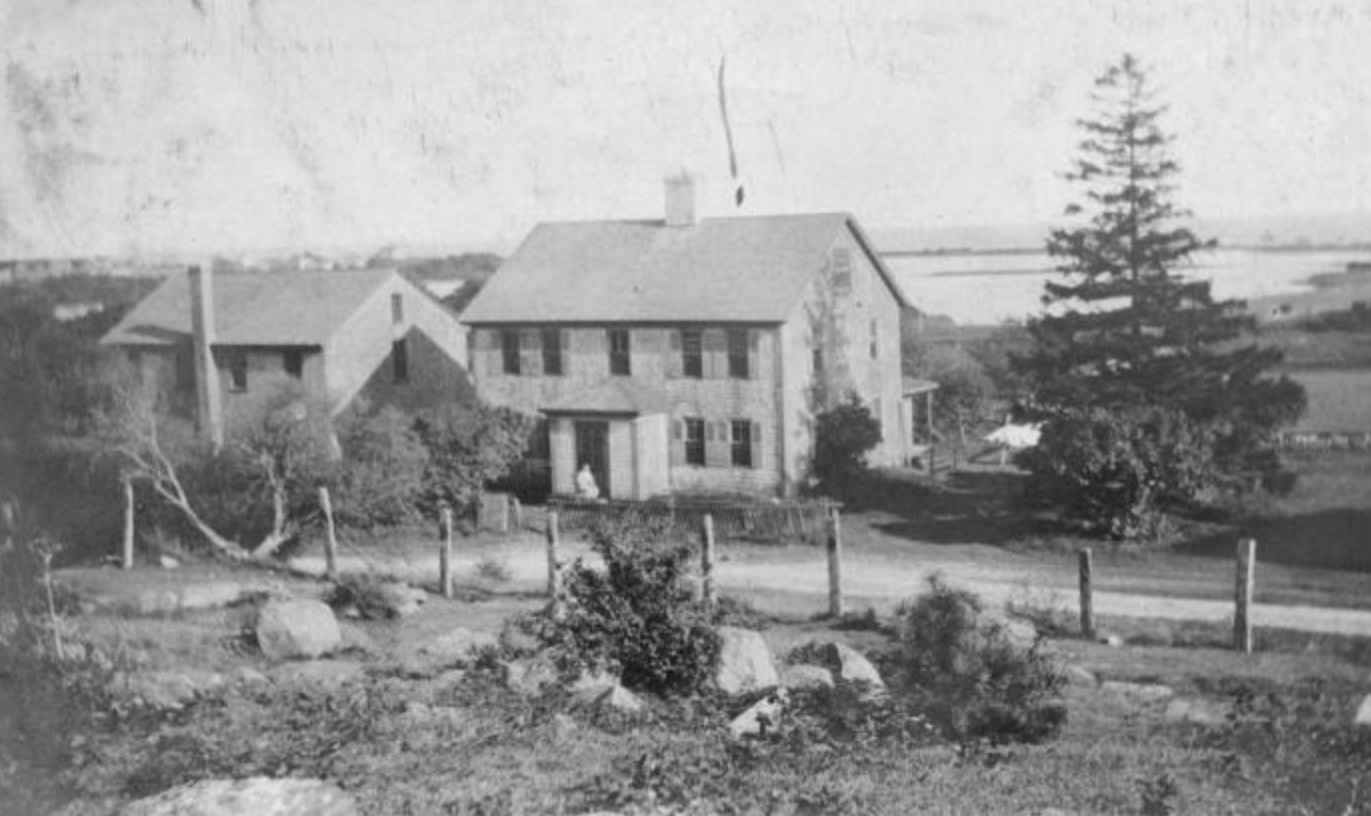
  • Fay Cottage @ 216 Elm Rd., Falmouth MA was built c1740 by David Butler. 1916 photo thanks to Woods Hole Historical Archive

    A cottage overlooking the Vineyard Sound in Falmouth was provided for a summer-long series of 10-day seaside sojourns for women and children of the Church of the Ascension by Emmanuel parishioners Mr. & Mrs. Henry B. Fay.  A piazza and bathhouses along its beach were constructed with Emmanuel funds.  Sarah M. Gay assisted Clara M. Carter, the Diocesan Deaconess, in managing the retreat at Fay Cottage for the first of 25 years to come.  See also history of Fay Farm.

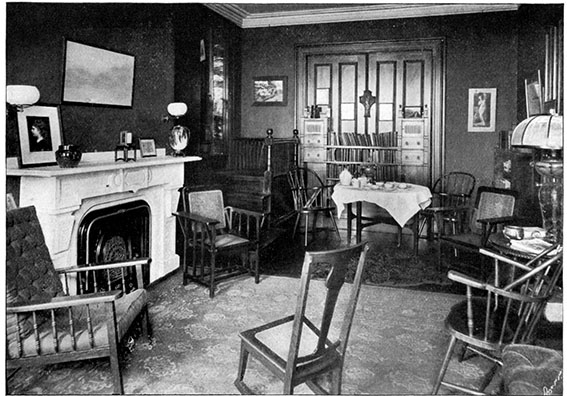
  • The Students’ House was rented at 21-23 St. James Ave.  It housed about 20 young women and maintained a club for 150 others for more than a decade.
Club Room at Students House, 21-23 St. James Ave.

Club Room at Students House, 21-23 St. James Ave.