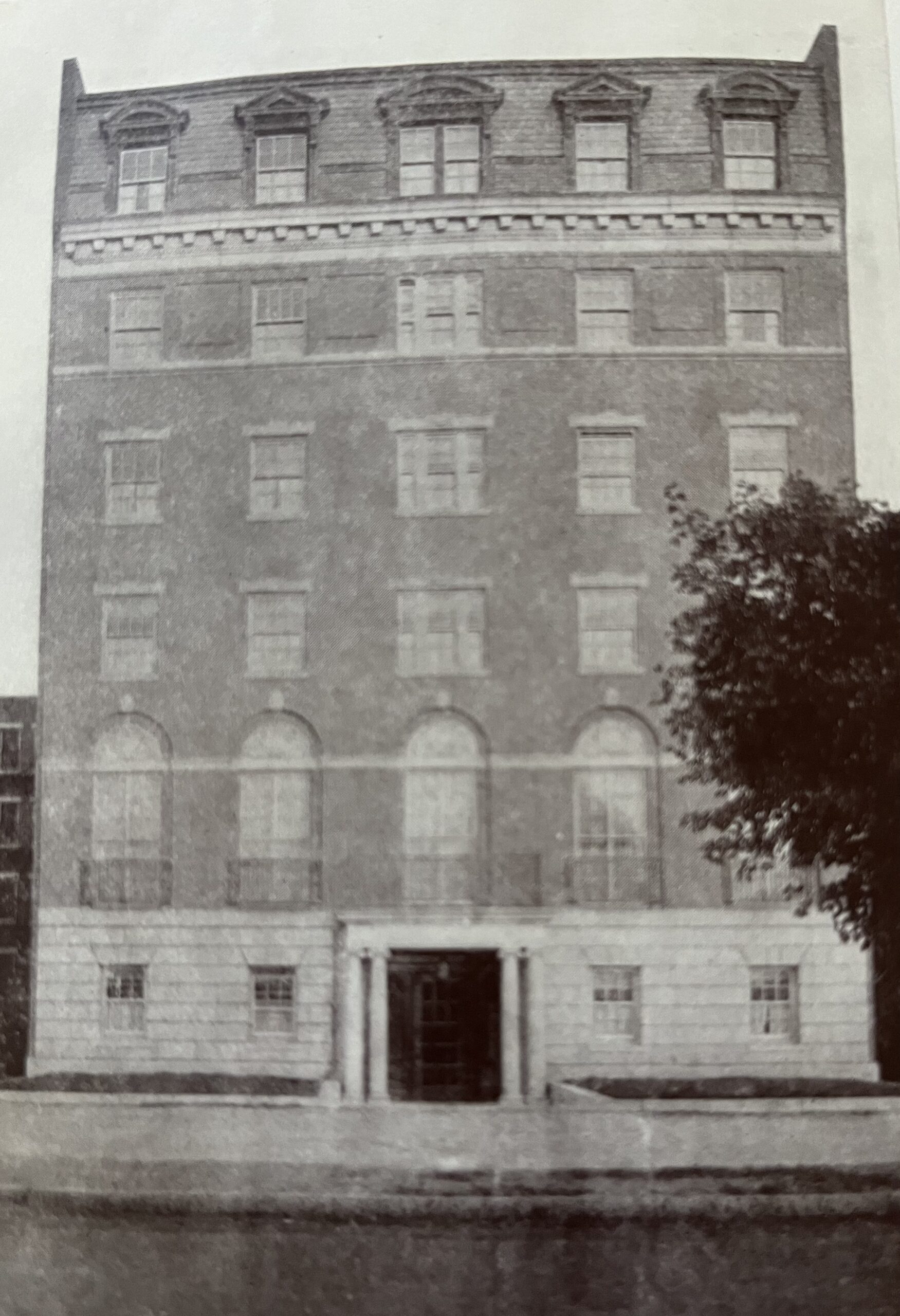
1914


The Students’ House Corporation, under the direction of Mary S. Holmes and Charlotte Upham Baylies, built at 96 The Fenway a home for our Students’ House, which had been in rented quarters since its inception in 1899. They engaged architects Kilham & Hopkins, raised a large portion of its construction cost ($124K), and secured a mortgage for the remainder.  The building is now Kerr Hall, a Northeastern University dormitory.


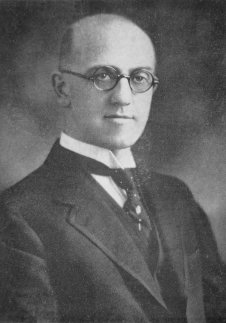
October 6.  About a thousand people attended the funeral service for financier, philanthropist, and parishioner Gardiner Martin Lane (born 1859).  The Rev. Dr. Elwood Worcester, The Rt. Rev. William Lawrence,  The Rev. John W. Suter of Winchester, and The Rev. Prescott Evarts from Lane’s Harvard Class of 1881 officiated.  Pallbearers included President  A. Lawrence Lowell of Harvard, Sen. Henry Cabot Lodge, Charles Francis Adams, and several of his partners from Lee Higginson & Co.. Lynnwood Farnum played a Tchaikovsky funeral march and “Dead March” from Handel’s “Saul”. The boys choir sang “Abide with me” and “The strife is over”.
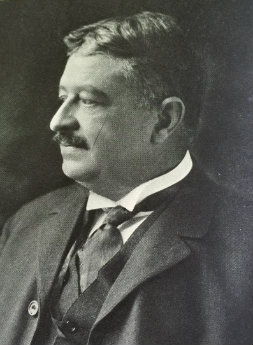
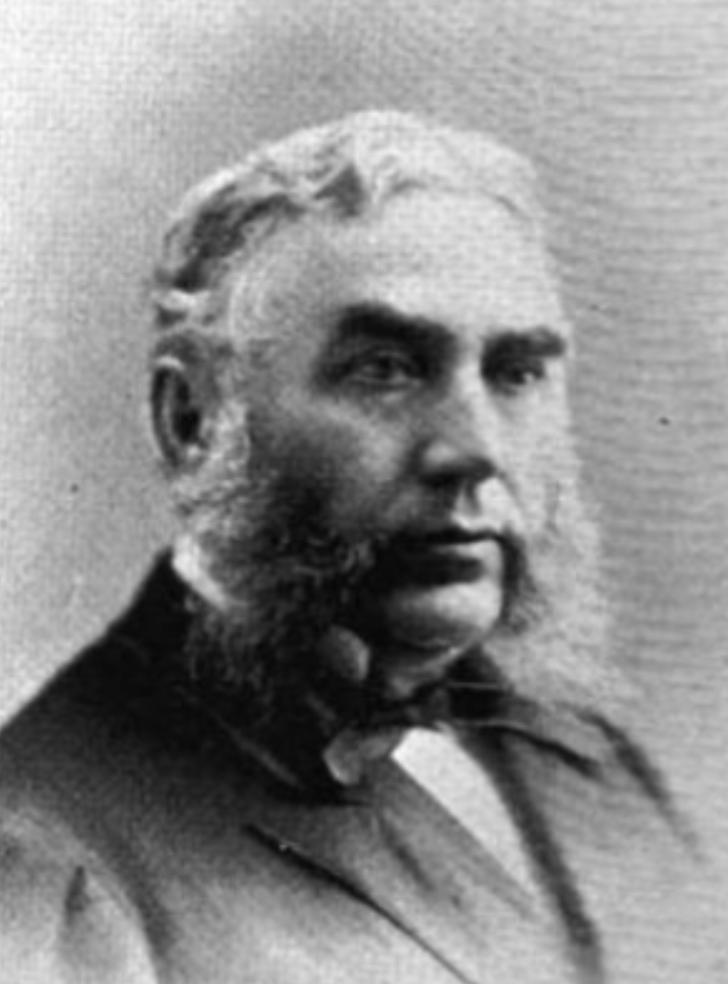
Gardiner Martin Lane from Harvard College Class of 1881 biography of him in the papers of Katharine Lane Weems at the Schlesinger Library, Radcliffe.

As treasurer of the New England chapter of the International Red Cross, Lane collected and distributed relief funds for the Salem fire (1914), the San Francisco earthquake (1906), and other disasters.  Appointed trustee of the Museum of Fine Arts in 1906, and elected its president in 1907, he oversaw its move from Copley Square to the Evans Building on Huntington Ave., which was designed by Emmanuelite Guy Lowell.  Spearheading the Museum’s fundraising effort for the new facility, Lane said, “A mere collection of beautiful objects is of little value unless seen, appreciated, and understood by many.”

Gardiner was born in Cambridge in 1859 to Fannie Bradford and Harvard philologist George Martin Lane, who became the first Harvard professor to receive a pension. Gardiner graduated from Harvard in 1881 and married Emma Louise, a daughter of Basil L. Gildersleeve, his father’s colleague at Johns Hopkins U.. The Lanes are buried in Mt. Auburn Cemetery’s Lot 1727 on Yarrow Path. His widow and daughter Katharine Lane Weems, were parishioners for years after his death and generous benefactors of Emmanuel.

See also our pages World War I Memorial and Katharine Lane Weems.
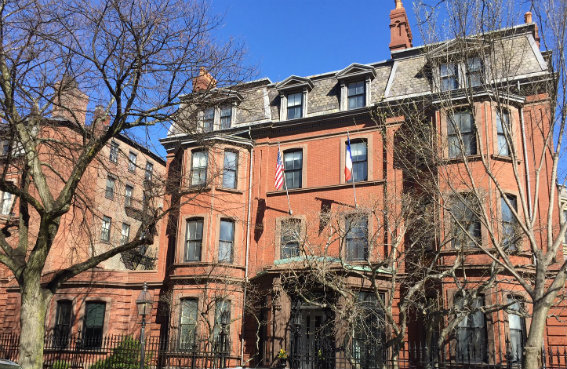
The Lanes’ home at 53 Marlborough is now the French Cultural Center.
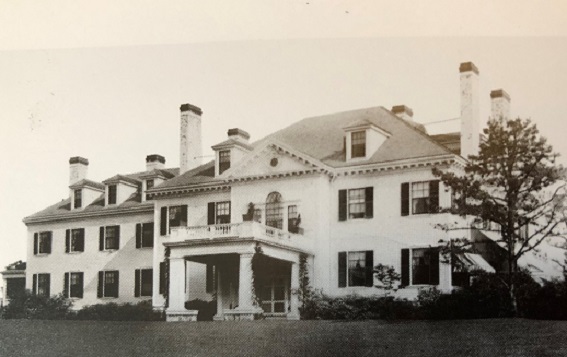
The Lanes’ summer house, The Chimneys, in Manchester by the Sea, MA was designed by Emma G. Lane’s brother Raleigh C. Gildersleeve.
1913

Lynnwood Farnam

Lynnwood Farnam

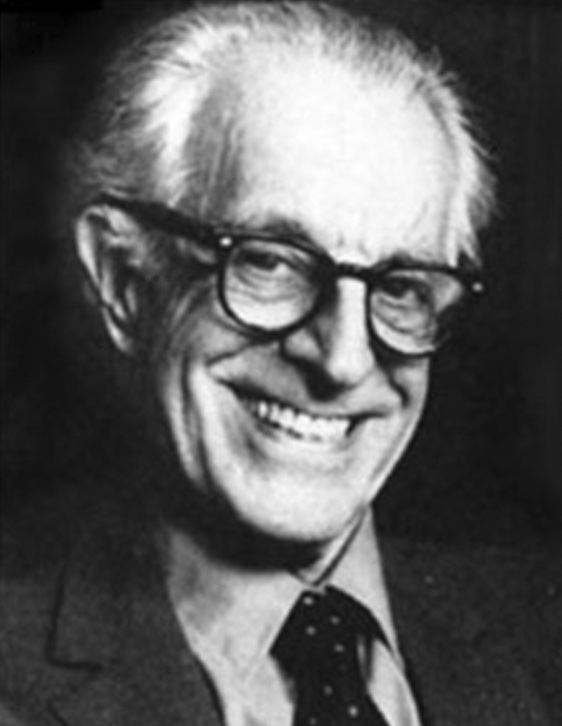
When Weston Gale retired, Lynnwood Farnam became Emmanuel’s organist, a post he held until 1918, when he left to join the Canadian Army.  According to the L. F. Society, when the Music Committee asked what he would play for his audition, “He handed them a notebook containing a list of 200 pieces which he had memorized, saying “Anything in this book.”

We thank the Royal Canadian College of Organists for this photo. For more about Lynnwood Farnam, see 1914, 1918, 1932, and History of Music at Emmanuel.

13 Mar. Bishop William Lawrence presided at the funeral of Silas Reed Anthony, which was attended by more than 400.  Born in 1863, he had become a Boston banker and served as Clerk of the Vestry (1887-97) and Jr. Warden (1907-13).  Assisting the bishop were the Rev. Dr. Samuel McComb and the Rev. Ralph Bray of Emmanuel and the Rev. Charles Clark of Church of the Ascension. Among the pallbearers were Sr. Warden Walter Cabot Baylies, William Endicott, Jr.,  Philip L. & Richard M. Saltonstall, and several Anthony and Weeks relatives.

Nora Iasigi Bullitt

31 May. Nora Iasigi, daughter of parishioners Amelia Gore Iasigi and the late Oscar Iasigi, married at St. Paul’s Church, Stockbridge, US Solicitor General William Marshall Bullitt, great uncle of our parishioner Julian Bullitt.


1911

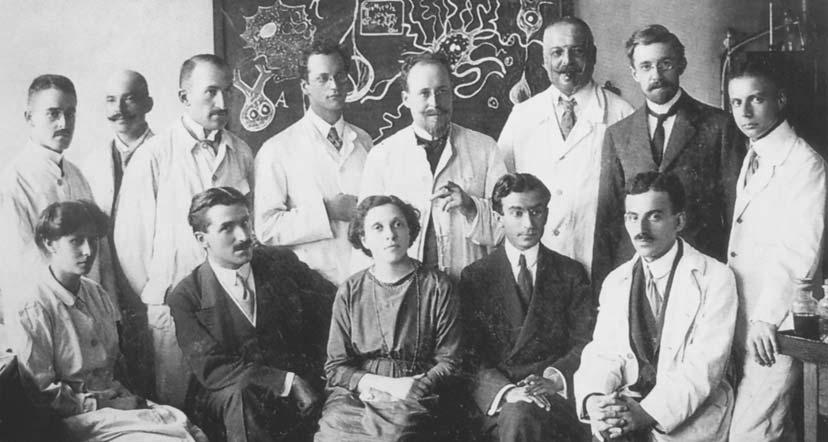
June 2. Rector Elwood Worcester presided at the funeral of Dr. Emma W. Davidson Mooers, who had been a parishioner since 1880. She had died on May 31 at 52 of streptococcal meningitis contracted when she and Dr. Elmer Ernest Southard were performing an autopsy.  She was one of 13 women to receive an MD from U. of Michigan in 1884, then worked at Northampton State HospitalMcLean Hospital, and the neuropathology laboratory of Dr. Alois Alzheimer in Munich before becoming Custodian of Harvard’s Neuropathological Collection in 1910.  Her articles on syphilis and other bacterial infections of the nervous system were published in the precursors to the American Journal of Psychiatry and  New England Journal of Medicine. May this pioneer rise in glory!

Dr. Emma W.D. Mooers seated in center with Dr. Alois Alzheimer (back row 3d from right) and co-workers in his Laboratory for Neurology, Munich, 1909.
Credit: Wikicommons

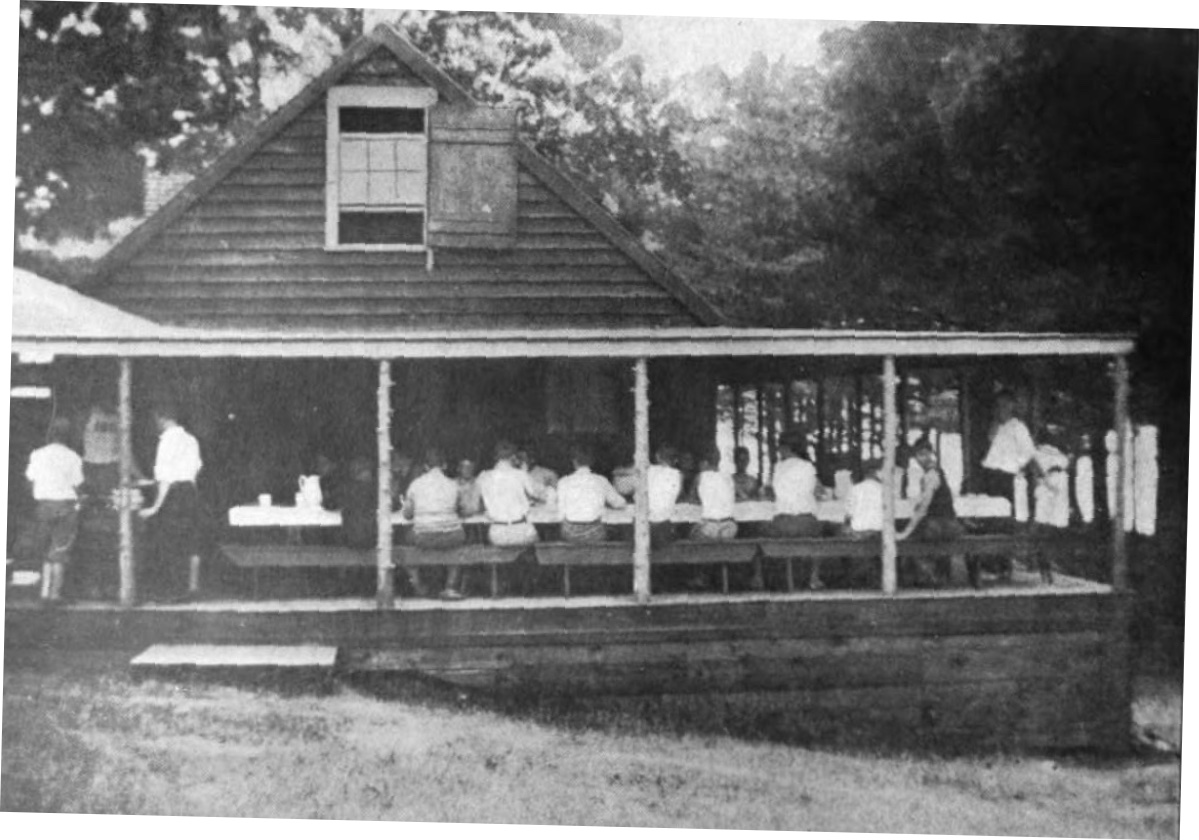
July.  Choirmaster Weston Spies Gales, young William Appleton Lawrence (1889-1968), and a cook, Mr. Wood, took thirty choirboys to Camp Lowell in Winthrop, Maine, for a fortnight of fellowship.


1910

  • In an ongoing summertime effort, semi-weekly harbor excursions to Bass Point, Nahant, were arranged for about 800 parishioners and their friends.
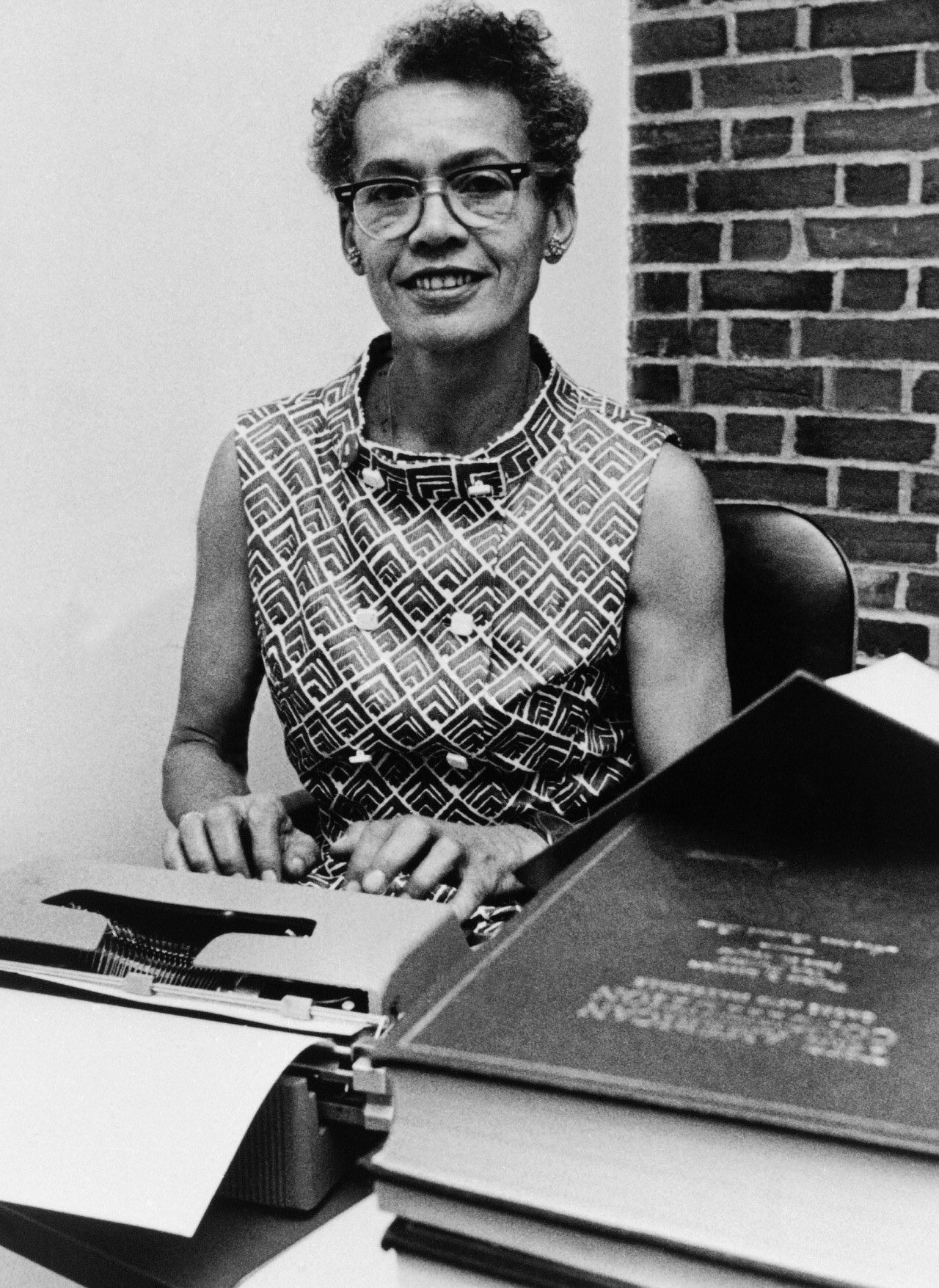
  • 20 Nov.   Anna Pauline Murray was born in Baltimore MD.  Pauli (as she became known) was to become a famous civil-rights lawyer, a member of our vestry, our postulant for Holy Orders, and a saint of The Episcopal Church. For details of her many accomplishments, please see our guide to resources about her.

1909

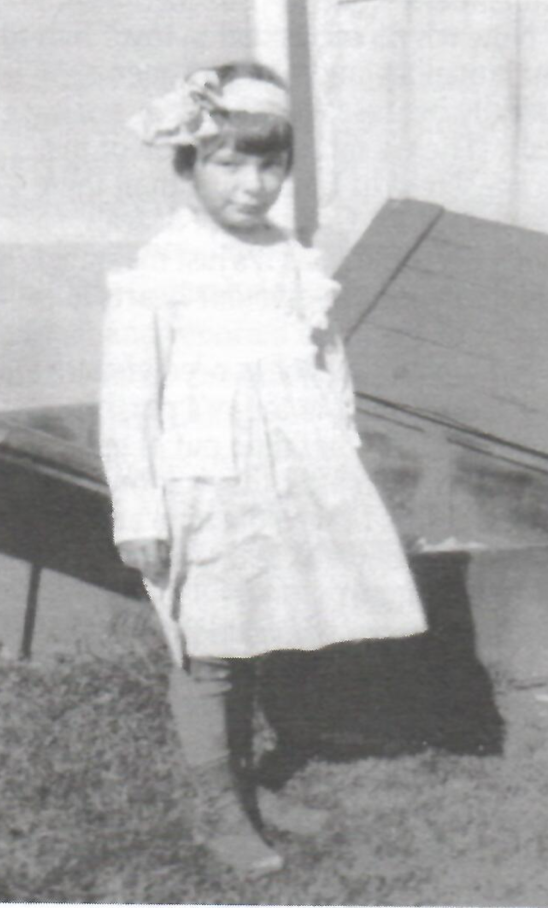
  • Thanks to the late Craig Smith for this image of Priscilla as a girl, c1915.

    7 May.  Benefactor of our cantata program, Priscilla Rawson (Young) was born in Bayside, NYC to Clementine Herschel of Holyoke MA & Hobart Rawson of Cincinnati OH. She was named for her Mayflower ancestor Priscilla Mullins Alden, who in turn was the namesake of Priscilla, now thought to have been the amanuensis of Paul the Apostle and author of the Epistle to the Hebrews [1].  See also 1939, 1942, 1971, 1973, 1994 & 2000.

  • Elwood Worcester and Samuel McComb published The Christian Religion as a Healing Power: A Defense and Exposition of the Emmanuel Movement (NY: Moffat, Yard), full text.  It is an addendum to their Religion and Medicine:  The Moral Control of Nervous Disorders (NY: Moffat, Yard, 1908), full text.
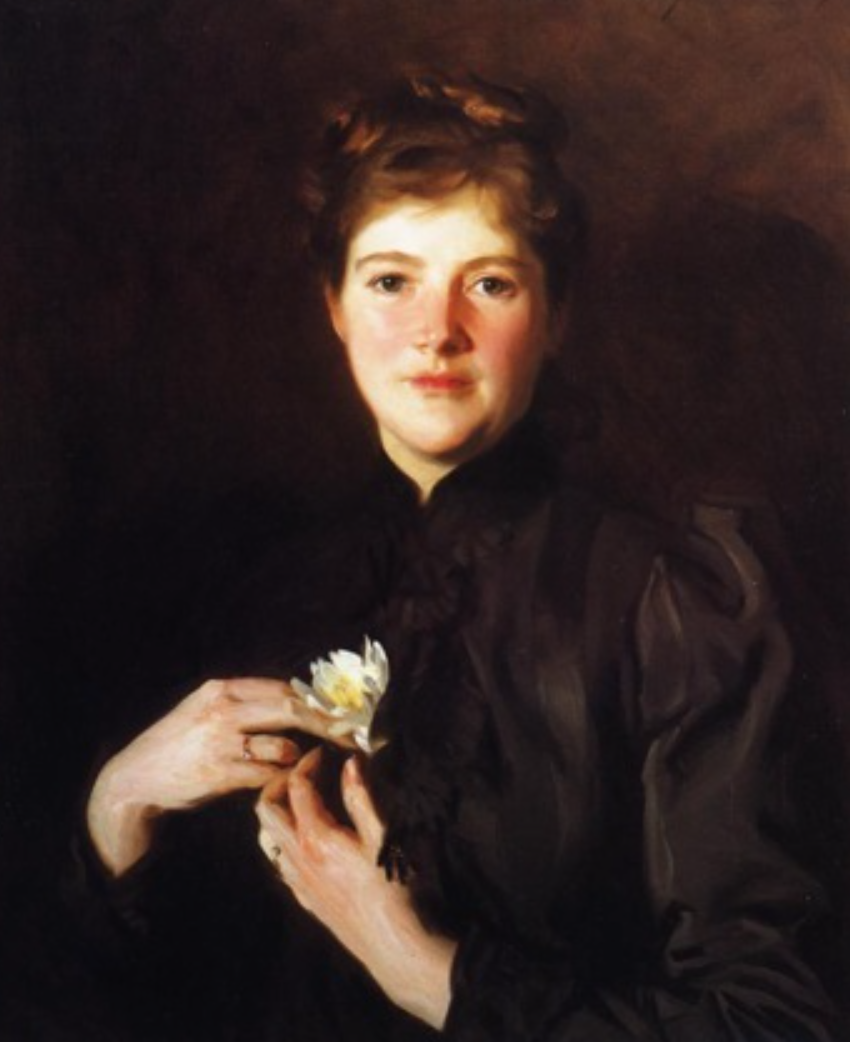
  • Charlotte Spaulding (Mrs. Ernest) Jacoby, c. 1907. Photo credit: Buffalo AKG Art Museum

    Parishioner Ernest Jacoby started a group for alcoholic men with special emphasis on fellowship as a path to recovery.  It eventually moved from our basement and continued into the 1930s as the Jacoby Club.  The first meeting of Alcoholics Anonymous in Boston was held in 1940 at the Club, then at 115 Newbury Street.  Papers of the Club are archived at the Mass. Historical Society.


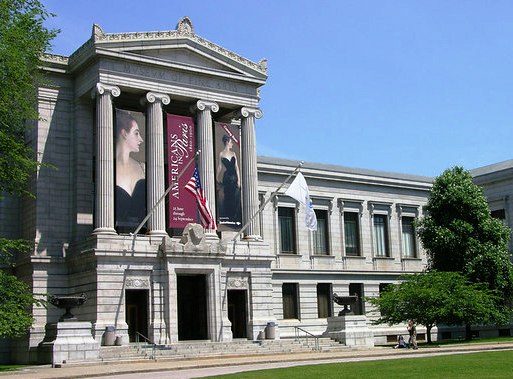
    Entrance of the Museum of Fine Arts, Boston


  • The first section of parishioner Guy Lowell‘s design for the Museum of Fine Arts was completed. Lowell (1870-1927) also designed the Charles River Dam (built in 1910) and the Esplanade from the Charlesgate to the dam.  For more about him and his other architectural achievements, please see Wikipedia.


1. Ruth Hoppin, Priscilla’s Letter: Finding the Author of the Epistle to the Hebrews. Ft. Bragg CA: Lost Coast Press, 2000.

1900

Joseph Hersey Pratt, M.D. (1872-1956)

Dr. Joseph H. Pratt joined the faculty of Harvard Medical School and served as secretary of Ascension Chapter of the Brotherhood of St. Andrew.  He reported in the Year Book of Emmanuel Parish that members of its Sailors Committee visited about a dozen vessels per month to distribute literature and invite men to the mission church.  See also his later role in founding the Emmanuel Movement.

1897

October 28. Rector Leighton Parks set up the Emmanuel Club to give young men of the parish a venue for fellowship.  Samuel Taylor was its first secretary.  They met several times a year for dinner with speakers or entertainment at the newly formed University Club at 270 Beacon Street.   Fitz-Henry Smith Jr. was secretary during its last year in 1911.  A member of the Harvard College Class of 1896, he went on to write these works about Boston:

  • The story of Boston light, with some account of the beacons in Boston harbor (1911).
  • The French at Boston during the Revolution : with particular reference to the French fleets and the fortifications in the harbor (1913).
  • Storms and shipwrecks in Boston and the record of the life savers of Hull (1918).

November.  The Rev. Henrietta Rue Goodwin began her service as deaconess at Emmanuel, which included distributing clothing, monitoring the Mothers’ Meeting, helping to fund choir vestments, and overseeing a Bible class and the Students’ Club.  Her reports in our Yearbooks (1897-1906), give her accounting of Special Funds for distribution of aid to the poor and her other activities, which included thousands of visits to the sick and needy.

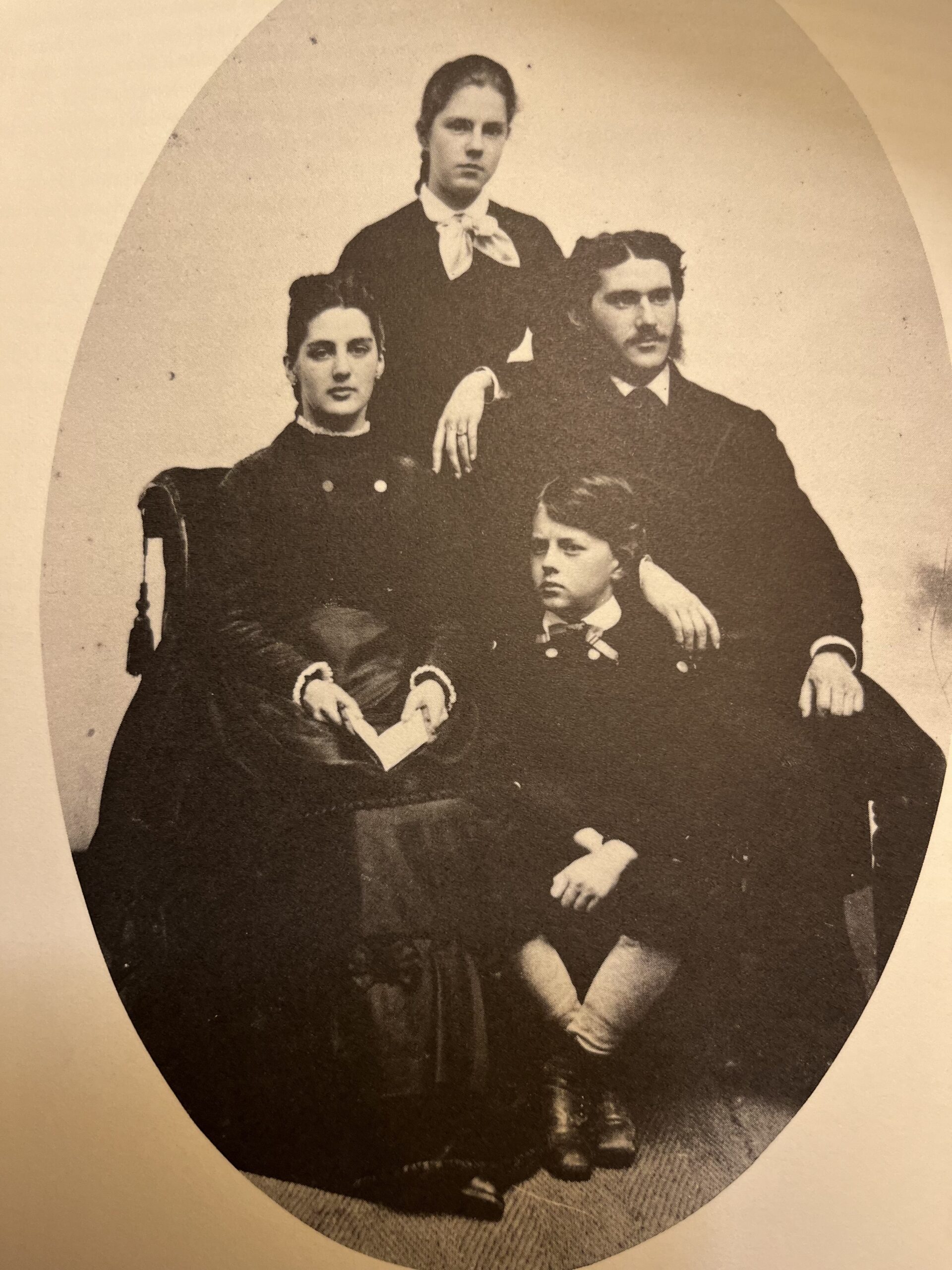
Children of Anne & Benjamin Rotch (clockwise): Aimee, Edith, Arthur & Lawrence

Work of Emmanuel House in the South End was transferred to our mission there, Church of the Ascension.

Edith Rotch, the younger daughter of Anne Bigelow Lawrence & Benjamin S. Rotch died at the age of fifty.  She was memorialized by her sister Aimee R. Sargent in our Rotch reredos.

1896

  • Leighton Parks rejected a call from a Brooklyn parish.  The Vestry quickly began work on a larger church, which would add forty pews.
  • The Ascension Chapter (#1407) of the Brotherhood of St. Andrew was organized by the Rev. Edward Atkinson.
  • Harriet Dexter Lawrence Hemenway, 1890, by John Singer Sargent. Credit: WikiCommons

    Harriet Lawrence Hemenway and her cousin Minna B. Hall founded the Mass. Audubon Society.  For some time they had fought against the slaughter of egrets and other birds for their plumes by organizing women to stop wearing feathered hats.

1883

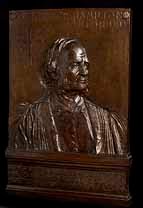
Memorial bronze bust of The Rev. Dr. Alexander Hamilton Vinton by Augustus St. Gaudens was installed in the nave.  It was finally dedicated in 1894. For details please see an article in the Boston Daily Globe.

The family of the late Benjamin Smith Rotch endowed the Rotch Travelling Scholarship for architects.

See also

1872

  • Consuming 65 acres downtown, the Great Boston Fire killed 12 firefighters and several dozen residents. On Summer Street it destroyed Trinity Church, which the congregation rebuilt 5 years later on Copley Square, several blocks from Emmanuel. Above is John Adams Whipple‘s panorama of the damage looking east from Washington St. at Bromfield Street.
  • Eben Dyer Jordan (1822-95). Credit: WikiCommons

    Parishioner and founder of Jordan Marsh Co., Eben Dyer Marsh and five others founded the Boston Globe.  See also this 1890 biographical sketch by John C. Rand.