The Green Book Tour: Some Highlights

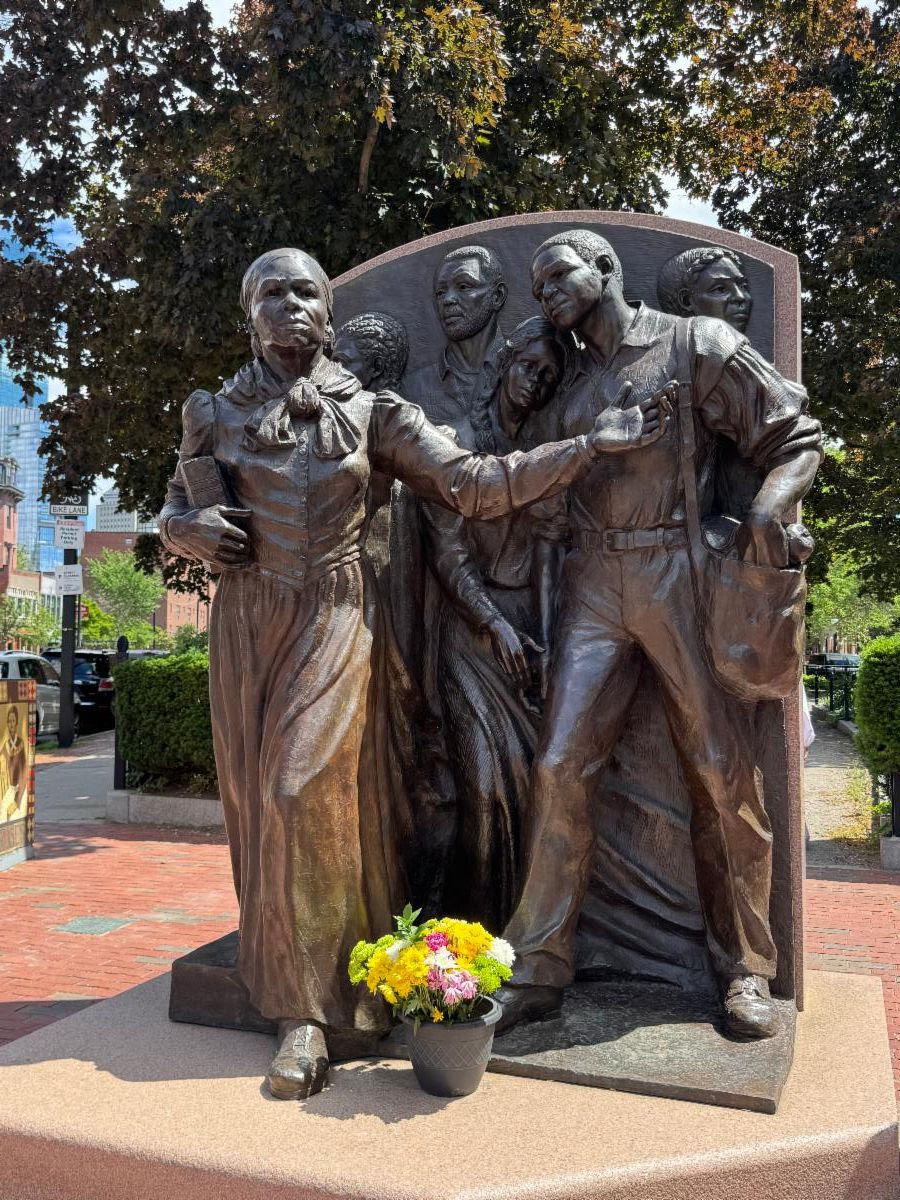
Fern Cunningham’s sculpture Step on Board shows aboltionist Harriet Ross Tubman with a Bible under her arm.

On June 20th, 2026, I joined The Green Book Tour led by Byron Rushing and the Rev. June Cooper.  The Negro Motorist Green Book, published between 1936 and 1966 as a guidebook for African American roadtrippers, became known as simply The Green Book..

On this sunny but windy day we all met outside of the Union United Methodist Church (originally a Congregational Church) on Columbus Avenue in Boston. There were about a dozen of us in addition to the leaders of the tour. Both Byron and June have a depth of knowledge about the South End of Boston and the history of the businesses which were advertised in The Green Book. These businesses, including hotels, were either Black-owned or served Negroes. Charlie’s Sandwich Shoppe on Columbus Ave. is still operating. It was originally owned by a Greek family and was advertised in The Green Book.

The Harriet Tubman House on Holyoke Street offered rooms to Black women who were either in school or working in Boston and would not have been able to rent in the area otherwise. Very near to this location we visited the Harriet Tubman Park with its two sculptures, one of which honors Harriet Tubman herself. The other sculpture sported a traffic cone on its top; evidence of a visit by the Tartan Army, which had visited Boston from Glasgow for the World Cup.

This area attracted many jazz musicians during the height of the Jazz Age. Of the many clubs once open there were two that were Black-owned establishments: Wally’s Café (originally Wally’s Paradise located across the street from its present location) and Estelle’s,  which is now a condominium building at 888 Columbus Ave.. The Hi-Hat at the corner of Mass. Ave. and Columbus Ave., which burned down after the Second World War, was replaced by a settlement house. It is now modern housing (apartments and/or condominiums). The Columbus Avenue African Methodist Episcopal Zion (AMEZ) Church on the corner of Columbus Avenue and Northampton Street was originally a synagogue. Where one would usually see a rose window, it has a Mogen David or Jewish Star.

Our tour ended at Slade’s, where we had lunch and chatted amongst ourselves. It was a beautiful day for a long walk in Boston.

–Mary Beth Clack, Mary Blocher, Cindy Coldren, Pat Krol, Liz Levin
Vida Dutton Scudder at Denison House


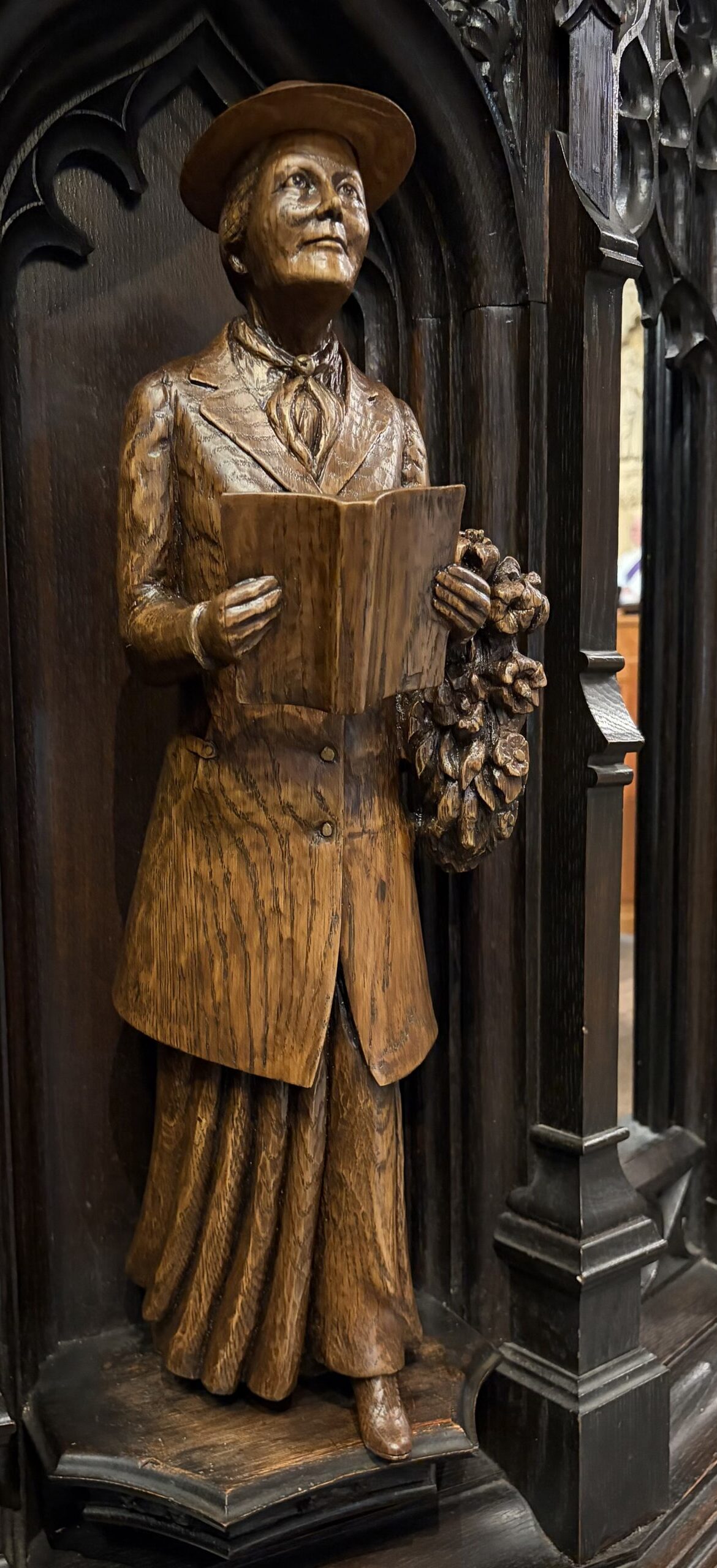
Pulpit statue of Vida Dutton Scudder by Ted Southwick

After the dedication of Emmanuel’s pulpit statue of Vida Dutton Scudder last month, we focus here on her relationship to Denison House, which was founded by the College Settlements Association in 1892. Managed by women, the house at 93 Tyler Street, a hub for social services and educational programs, welcomed emerging immigrant communities in Boston. The House’s first director was Emily Greene Balch (1867-1961), economist, sociologist, and winner of the 1946 Nobel Peace Prize. When Balch returned to teaching, Helena Dudley (1858-1932), labor and peace activist, and Vida Dutton Scudder (1861-1954), pacifist, educator, and Christian Socialist, became co-directors. Among her many notable achievements, Scudder helped to found the Episcopal Church Socialist League in 1911 and became chairperson of the Church League for Industrial Democracy (CLID). She was known for her conviction that philanthropy should be accompanied by social reform.

In the typescript “Early Days at Denison House,” Scudder reflected on its accomplishments over the forty-five years since its founding. Activities were full of joy: “Young college women were sharing the best that life had brought us”. While “labor troubles” and unemployment abounded early on, she asserted that “a zest for social reform glowed as steadily…as the welcoming fires” of the house. Scudder concluded this brief piece with:

Dubbed radical in many quarters, we went on our way undaunted; the early leaders of organized labor were our devoted and inspiring friends; a Federal Labor Movement meeting at the House and a study-circle concerned with economic problems to which sundry distinguished citizens belonged, are activities I like to remember….How conservative Boston reacted to our ardent centre of social thought and experiment is another story. There is no time to tell it here. But the young people connected with Denison House today are heirs of a fine tradition.*

–Mary Beth Clack, Mary Blocher, Cindy Coldren, Pat Krol, Liz Levin
*Records of Denison House, 1890-1984. Series I. HISTORY. “Early Days at Denison House” by Vida Scudder, 1937. (B-27, folder 1. Schlesinger Library, Radcliffe Institute, Harvard University, Cambridge, Mass.) Digitized copy consulted.

The Bay State Banner’s Black History Month Programs

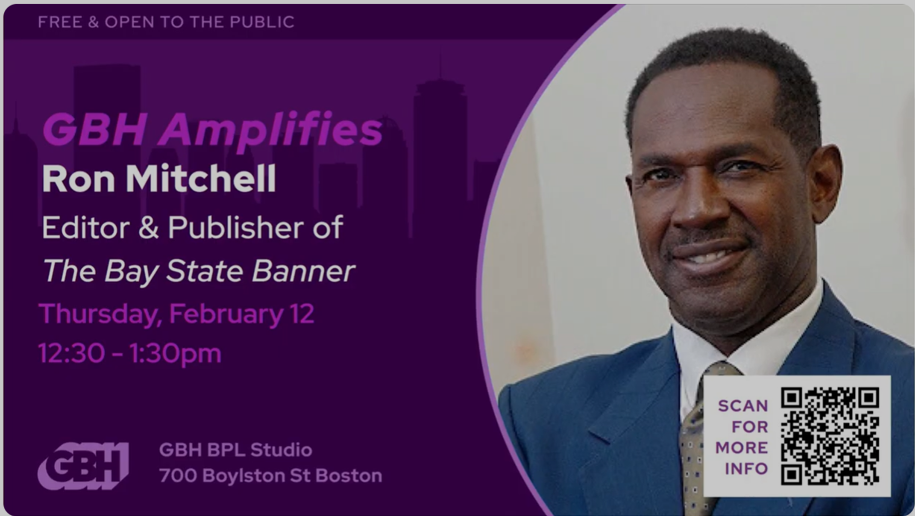
In its 60th Anniversary Forum Series The Bay State Banner presented on February 12 “The State of Black America.” Two open forums complemented the newspaper’s special essay section to commemorate Boston and black history. WGBH sponsored mid-day talks at the Boston Public Library moderated by the Banner’s editor Ron Mitchell. Panelists included Dr. Noelle Trent, executive director of the Museum of African American History of Boston & Nantucket, who spoke about the effort to restore last year’s funding cuts from the  Institute of Library and Museum Services. Because black museums are grassroots efforts, the funding has been crucial to the health of the organization.  With the community activated an appeal was filed, which resulted in an injunction and restoration of funding. She also elaborated on how other American black museums have contributed to laying the foundation for African American museum scholarship. Continue reading

2026

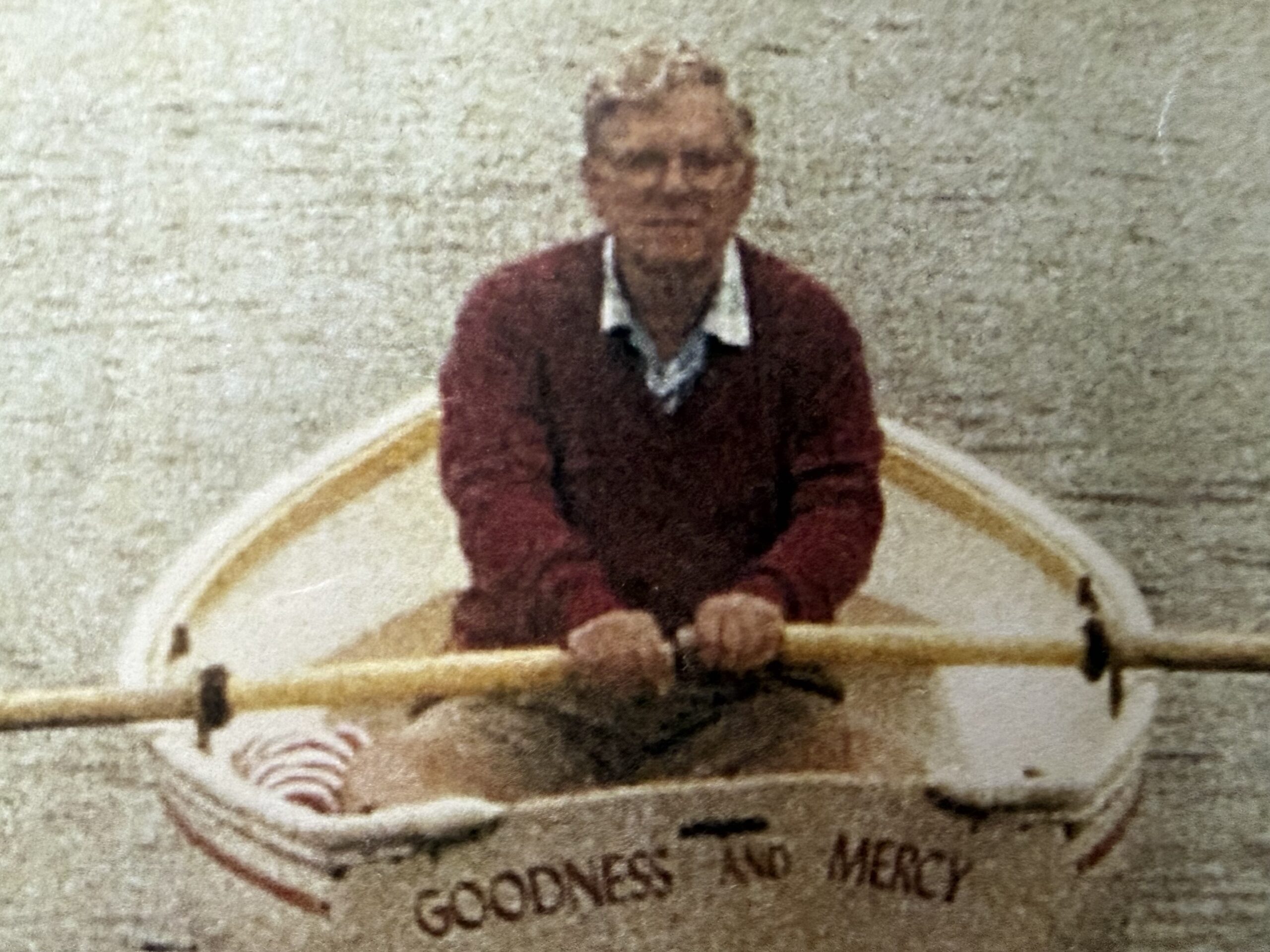
31 Jan.  We celebrated the life and ministry of our Senior Pastoral Assistant (his choice of title), The Rt. Rev. J. Clark Grew II, 10th Bishop of Ohio (1939-2025).  Our rector, family members, The Rev. Jennifer Daly, and The Rt. Rev. Mark Hollingsworth, Jr. spoke and were joined in the chancel by bishops Arthur B. Williams, Jr.; Julia Whitworth; Thomas J. Brown, and Alan M. Gates.  Dr. John Dilworth and violinist Daniella Maddon provided the musical offering.  See also the order of service and the livestream recording.

Clark Grew in his dinghy Goodness & Mercy

Pulpit statue of Vida Dutton Scudder by Ted Southwick

8 March. The Rt. Rev. Julia Whitworth visited us and dedicated Ted Southwick’s commissioned pulpit statue of Vida Dutton Scudder (1861-1954). Confirmed as Episcopalian by Phillips Brooks, she became a saint of The Episcopal Church, whose feast day is October 10.  She was a niece of publisher E.P. Dutton, who was the first clerk of our vestry, and of Horace Scudder, editor The Atlantic Monthly (1890-98).   She helped found in 1887 the College Settlements Association, which established Denison House for immigrants in the South Cove. In 1911 she joined the Socialist Party and founded the Episcopal Church Socialist League.  Her support in 1912 of striking textile workers in the Bread and Roses Strike drew criticism and threatened her teaching position at Wellesley College. Her 96 works religious, social, and literary topics can be downloaded from the Internet Archive.

Work of Allan Rohan Crite on View in Boston


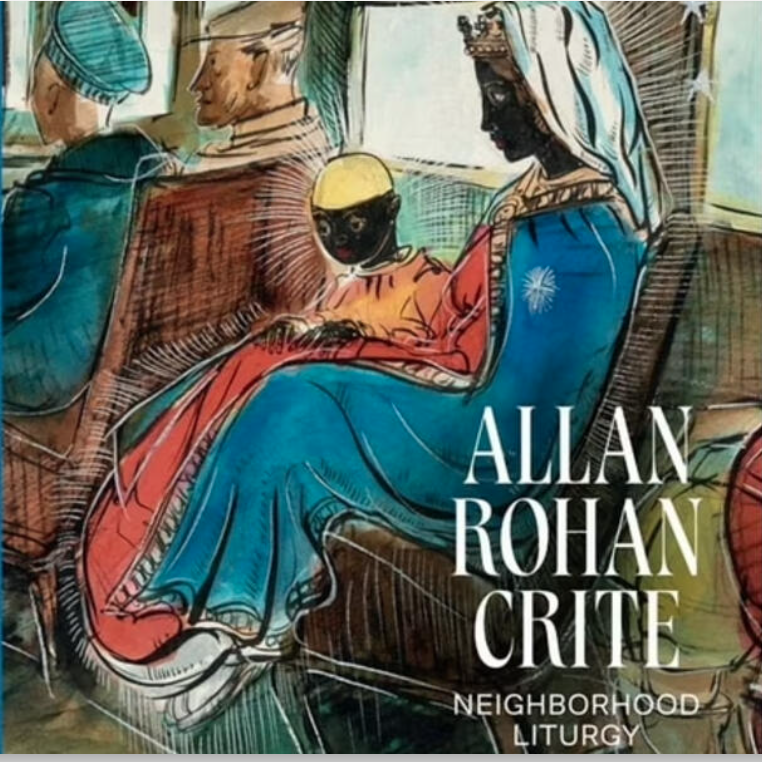
Cover of A.R.C. Neighborhood Liturgy (Princeton U. Press, 2025) 

The Gardner Museum and the Boston Athenaeum are hosting exhibitions of the work of Allan Rohan Crite, artist and chronicler of life in Boston’s Lower Roxbury and South End neighborhoods. Both shows opened on October 23, 2025.  Allan Rohan Crite: Urban Glory and Allan Rohan Crite: Griot of Boston are creating a resurgence of interest in the work of Crite (1910-2007), who was known as a civic leader, storyteller, and community activist. Influenced by his lifelong devotion to his faith and to local Episcopal churches he supported and loved, his work is again in our midst.

Continue reading

Bishop Mariann Budde on Seeking Repair

A Service Toward Repentance was offered at the Washington National Cathedral on January 24, 2025, to honor and advance the work done on reparations by the Episcopal Diocese of Washington. The liturgy included truth-telling, reckoning, and repentance for the harms done within the Diocese to the Black community from the enslavement era through the present.

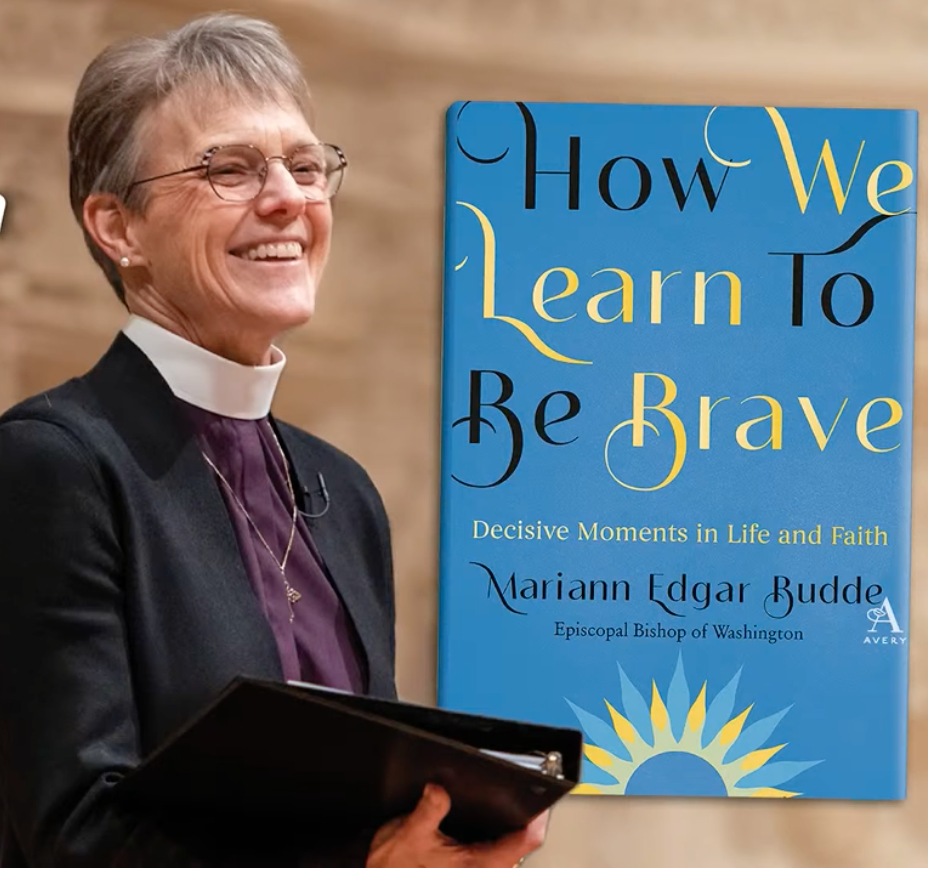
The Rt. Rev. Mariann Budde

Bishop Mariann Edgar Budde’s sermon included her incisive comments about what she learned at the Summit on Truth-telling and Reparation held last September at the Virginia Theological Seminary.

In her book, How We Learn to Be Brave (New York: Avery/Penguin Random House, 2023), Bishop Budde writes about being inspired by people of faith facing decisive moments in life. Among her cloud of witnesses are The Rev. Canon Kelly Brown Douglas, Presiding Bishop Michael Curry, Dr. Howard Thurman, The Rev. Dr. Pauli Murray, The Rev. Dr. Martin Luther King Jr., and Thurgood Marshall.

July 15, 2025 –Mary Beth Clack, Mary Blocher, Cindy Coldren, Pat Krol, Liz Levin.

Suzanne Hiatt & Pauli Murray

Emmanuel Church dedicated its third pulpit statue this past Sunday to the Rev. Dr. Suzanne Radley Hiatt (1936-2002), priest, theologian, prophet, professor, and advocate. Sue Hiatt was ordained as one of the Philadelphia 11 (July 29, 1974), and served as an inspirational mentor to many, including our rector.

Pam’s sermon on Sunday included examples of Hiatt’s devotion to equality and justice; as “bishop to the women,” Pam said that she was “pressing the Church to deeper inclusion and fuller love.”

It was interesting to learn that Suzanne Hiatt wrote about her connections to Pauli Murray (1910-1985), who had discerned from our parish and in 1977 became the first African American woman to be ordained in the Episcopal Church. In April 1970, they attended the Graymoor Conference, an important event in the history of women’s ordination, attended by about 60 women and numerous male supporters. One of the organizers, Hiatt was stalwart in her advocacy of the movement.  After years of experiences as a civil rights lawyer, professor, and Women’s Movement activist, Murray attended Graymoor.   After the conference, she and Henry Rightor, a former lawyer and professor of pastoral care at Virginia Theological Seminary, studied the Church’s Canons and Constitutions. Their report presenting their findings after the conference set the stage for persuasive arguments for women’s ordination.

Sue Hiatt’s admiration for Pauli Murray was expressed in an article she wrote in the Journal of Feminist Studies in Religion.* She noted that she had learned a lot from delving into Pauli Murray’s writings about her unceasing dedication to the pursuit of justice. Hiatt considered Murray a “foremother, not only to be proud of, but also to learn from and emulate.” Those who came before Hiatt’s generation “shook the foundations so that we could topple the walls.” Hiatt deeply admired Murray’s contributions: “Pauli believed above all in justice, and despite a lifetime of disappointments and tragedies, she never stopped seeking it. She just never quit.”

May we be inspired by the women who now live on in our sanctuary, and, as Pam said in her Eastertide sermon: “Arise, wake up, come alive to become who and whose you are called to be.”

*Hiatt, Suzanne, “Pauli Murray (1910-1985): May Her Song Be Heard at Last,” Journal of Feminist Studies in Religion 4 (Fall 1988), 69-73.

See also the chapter of the same title in The Spirit of the Lord is upon Me: The writings of Suzanne Hiatt, ed. Carter Heyward and Janine LeHane (New York: Seabury, 2014). This compilation of Hiatt’s writings is a wonderful tribute to her.

—May 15, 2025.  Mary Beth Clack, Mary Blocher, Cindy Coldren, Pat Krol, Liz Levin
Initiatives of Episcopal Dioceses & City of Boston

When we met last July in Chapel Camp, Emmanuelites said that they would welcome learning more about resources related to repair, reconciliation, and reparations. Last week, we offered a glimpse of Diomass’s journey on the topic. We’ve begun to explore other dioceses’ postings about discussions and/or commitments to ongoing processes and approaches to restoration and healing. We are gradually learning, too, about other local churches’ processes of inquiry and action in this regard. Continue reading

Chapel Camp Devoted to Repairing the Breach

Our Chapel Camp on July 30, 2023 was devoted to a discussion of our study and thoughts about the Church’s moral obligation and opportunity to engage in reparations. This responsibility rightly involves a relational approach that includes, but also goes beyond, focusing entirely on cash payouts toward addressing ongoing economic, educational, and health inequities.

Our Rector and other parishioners gathered to share initial thoughts on how we might, during sabbatical time this fall, offer resources to broaden our understanding of the moral and spiritual dimensions of reparations. To begin, our vestry discussed Luke 19:1-10, the story of Zacchaeus.

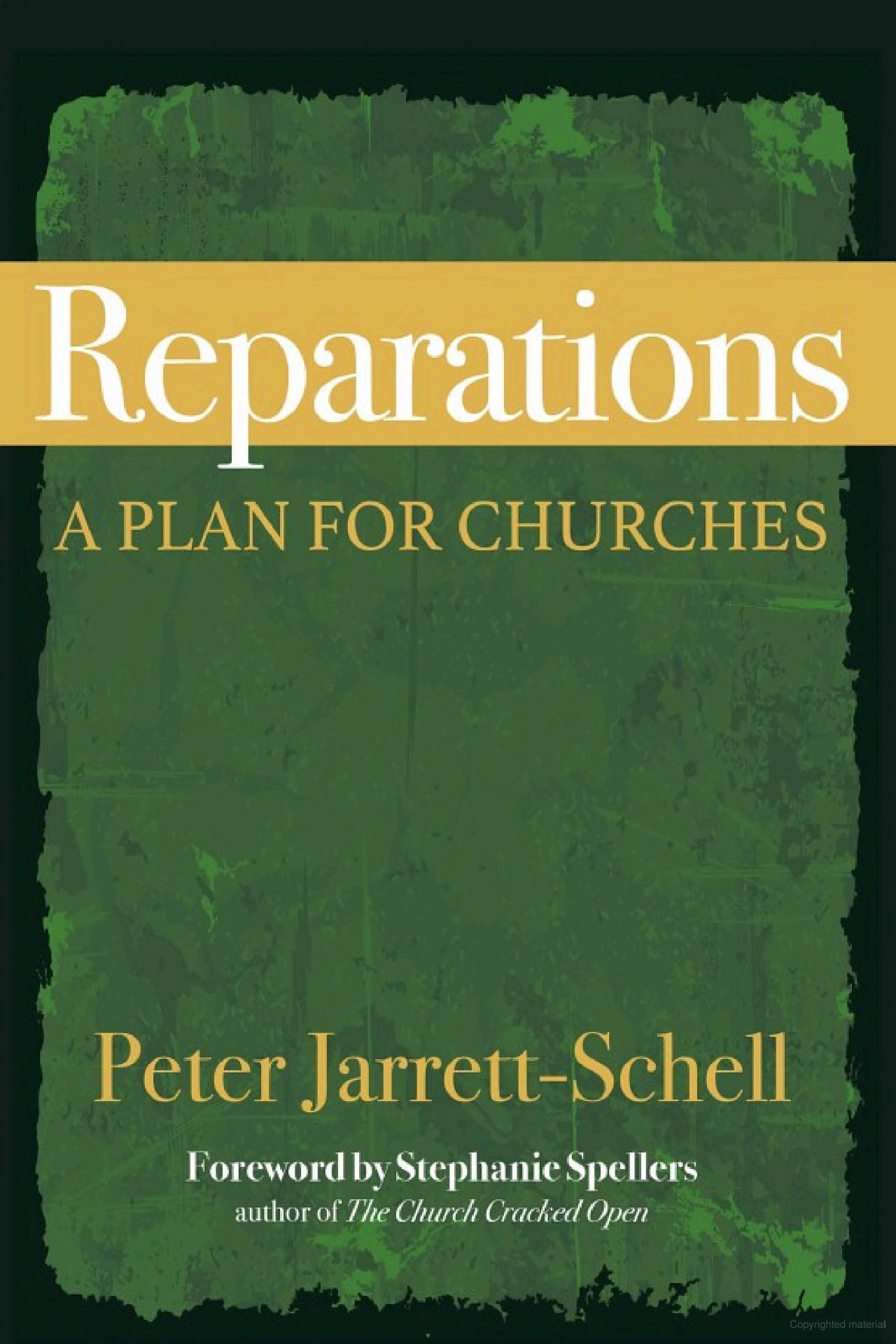
In addition, here are two resources recommended to vestry members during our introductory conversations:

We will continue this column as our exploration continues and will include other voices from our congregation.

–Mary Beth Clack, Cindy Coldren, Pat Krol

Published in This Week @Emmanuel Church August 30, 2023; Sept. 7, 2023

2021

  • 1 Jan. Orbis Books published When Tears Sing: The Art of Lament in Christian Community by our 11th rector, The Rev. Dr. William Blaine-Wallace.
  • 21 Jan.  Boston Sun article by Seth Daniel, “Made for This Time: Surprisingly Emmanuel Church Was Engineered for COVID-19”, discussed the efforts of Michael Scanlon and Julian Bullitt to monitor air quality throughout our building, which was designed in the time of tuberculosis.
  • March.  The Rev. Tamra Tucker and our rector formed two mixed groups of parishioners from common cathedral and Emmanuel to follow The Episcopal Church’s Sacred Ground dialogue series on race and faith.
  • July 6.  Beloved parishioner Ann Taylor Roosevelt died.  She endowed our Taylor Fund for Theological Education in memory of her father, The Rev. Charles Lincoln Taylor, who served as Dean of the Episcopal Theological School in Cambridge MA from 1944-1956.
  • July 29.  Kevin Neel retired as organist and parish administrator par excellence.
  • 26 Sept.We celebrated the retirement of Pat Krol, who had served as Executive Director of Emmanuel Music and greeter since 2006.  We funded the cantata and dedicated in her honor these doors, which she held open every Sunday while our choristers and liturgists to processed into the Sanctuary.
  • 31 Oct.Memorial service for The Rev. Dr. David J. Siegenthaler (1926-2020), former priest in charge, was held in our well-ventilated sanctuary.  After leaving Emmanuel, Dr. Siegenthaler had served as rector of St. John’s Episcopal Church, Duxbury MA, and then as archivist at the Episcopal Divinity School, where he taught for four decades.
  • Jill Zunshine funded restoration of two windows in our chancel’s clerestory, which had been broken by firefighters in 2000.