-
- Feb. 12. The Rev. Dr. Phillips Endecott Osgood was installed as our fifth rector. For information about him and his tenure, please see the chapter on him in Emmanuel Church, 1860-1960: The First Hundred Years.
- Nov. 23. Our former organist Lynnwood Farnam, who had become head of the Organ Department at the Curtis Institute of Music before his death in late 1930, bequeathed his papers to their library. Theodore Presser published in Philadelphia Farnum’s Toccata on “O Filii et Filiae“. Often played at Easter, the magnificent piece is employed to test organs.
- See his memorial plaque in the chancel behind the organ.
- Listen to a rendition of his Toccata by Diana Bish.
- See also 1913, 1917, and History of Music at Emmanuel.
- Charles Scribner’s Sons published The Rev. Elwood Worcester‘s autobiography Life’s Adventure: The Story of a Varied Career (OCLC# 1896075). For a description of his ministry based on it, please see our page and Wikipedia’s on the Emmanuel Movement.
- In Philadelphia Theodore Presser published posthumously Lynnwood Farnam’s “Toccata on ‘O Filiii et Filiae’“. Often played on Easter, it has often been used to test organs. This rendition on Youtube gives a biography of Farnam (1885-1930) and the text of Jean Tisserand’s plainsong chant (1518).
Timeline of History at Emmanuel
1931
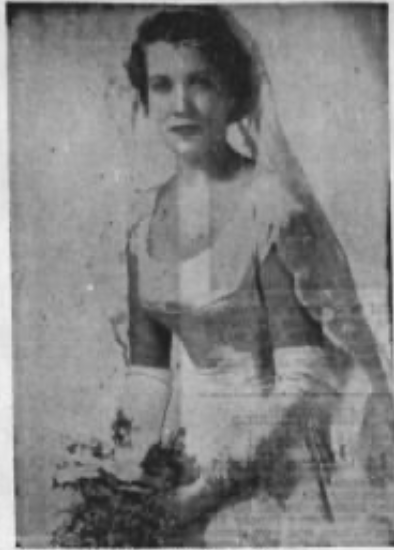
Rosemary Dodge Hutcheson (1931-2000), 1957, Clerk of the Vestry (1971-72)
Rosemary Dodge was born in The Hague, Holland. After graduating from Wellesley College and working in its admissions office, she married in 1957 a public-heath psychiatrist, Dr. Bellenden Hutcheson, and they had a son. In 1971 she became our first women officer as Clerk of the Vestry.
1930
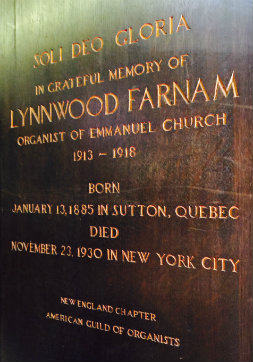 Nov. 23. Our former organist (1913-1918) Lynnwood Farnam, who was head of the Organ Department at the Curtis Institute of Music, died and bequeathed his papers to their library.
- See his memorial plaque in the chancel behind the organ.
- Listen to a rendition of his Toccata by Diana Bish.
- See also 1913, 1917, 1932, and History of Music at Emmanuel.
1929
Upon the planned retirement of The Rev. Elwood Worcester, The Rev. Dr. Benjamin Martin Washburn became rector. For more about the Washburn tenure during the Great Depression, please see the chapter on him in Emmanuel Church, 1860-1960: The First Hundred Years.
This image of “The Emmanuelists” honors men associated with the Emmanuel Movement during Worcester’s rectorship: (top row) William James, Richard C. Cabot, Joseph Hersey Pratt, Pierre Janet & (bottow row): Lyman Pierson Powell, Samuel McComb, Elwood Worcester, Isador Coriat, and Courtenay Baylor.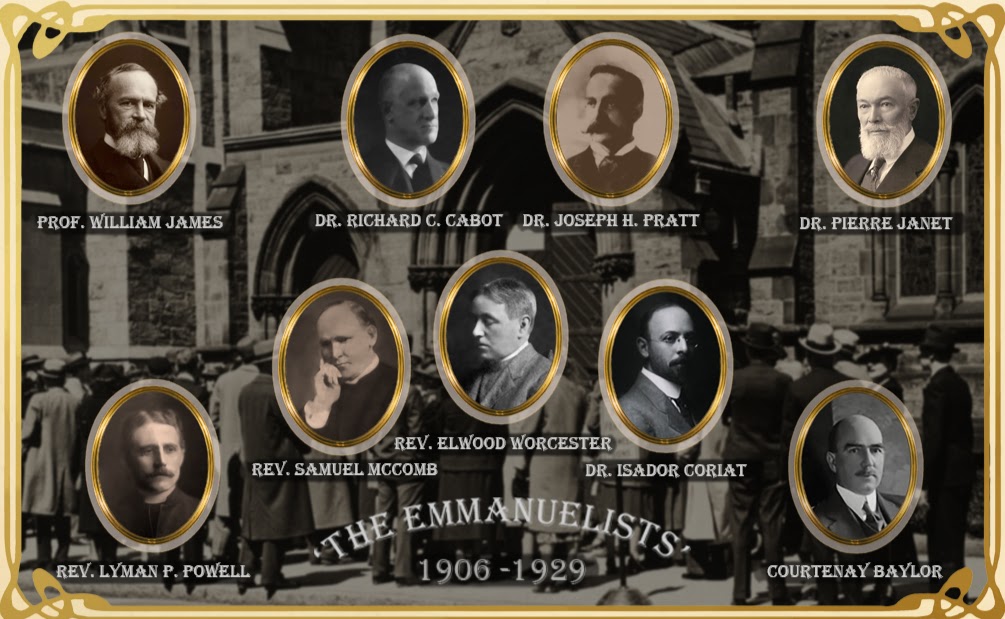
1927
- Having preached his first sermon at Emmanuel on Dec. 5, 1926, the Rev. James Dirickson Cummins then served as Associate Minister throughout the remainder of Elwood Worcester’s tenure as rector. He ministered especially to the parish youth and preached at the 4pm Sunday services, which had special musical offerings. He lived with his wife Katherine P. Whaley Cummins and their young son at 68 Commonwealth Avenue. For the historic homes of our clergy, parishioners, and more, see our Parish Historian‘s map.
-
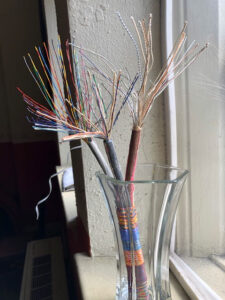
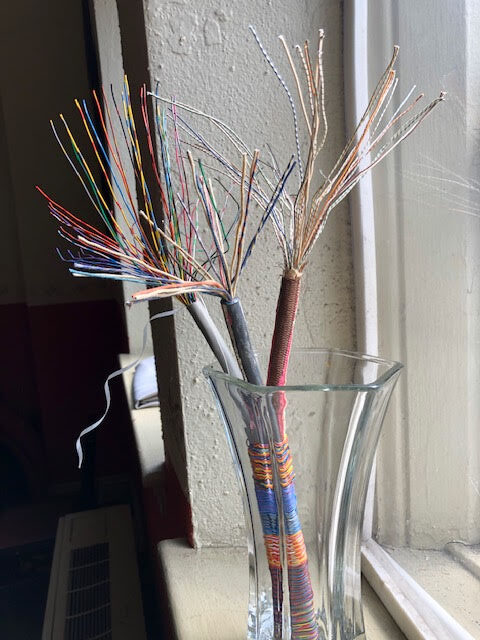
Julian Bullitt’s photo of the 3 types of wiring bundles found on Emmanuel’s circuits.
The Third Floor of our Parish House was completed with electrical wiring sheathed in lead (center bundle).
1926
Amy Lawrence Lowell (1874-1925) was posthumously awarded the Pulitzer Prize for Poetry for What’s o’Clock.
After the consecration Lindsey Chapel, our parish house was enlarged by adding a third floor to the former chapel. A parish hall with built-in book shelves and a stage became known as “The Library”. Most of its books have been dispersed, but those remaining in 2008 were cataloged by our Parish Historian, Mary Chitty. What is now our second-floor Music Room served as a work area for women’s groups and as a dining hall. For more details, please see our Timeline of Building History.
1925
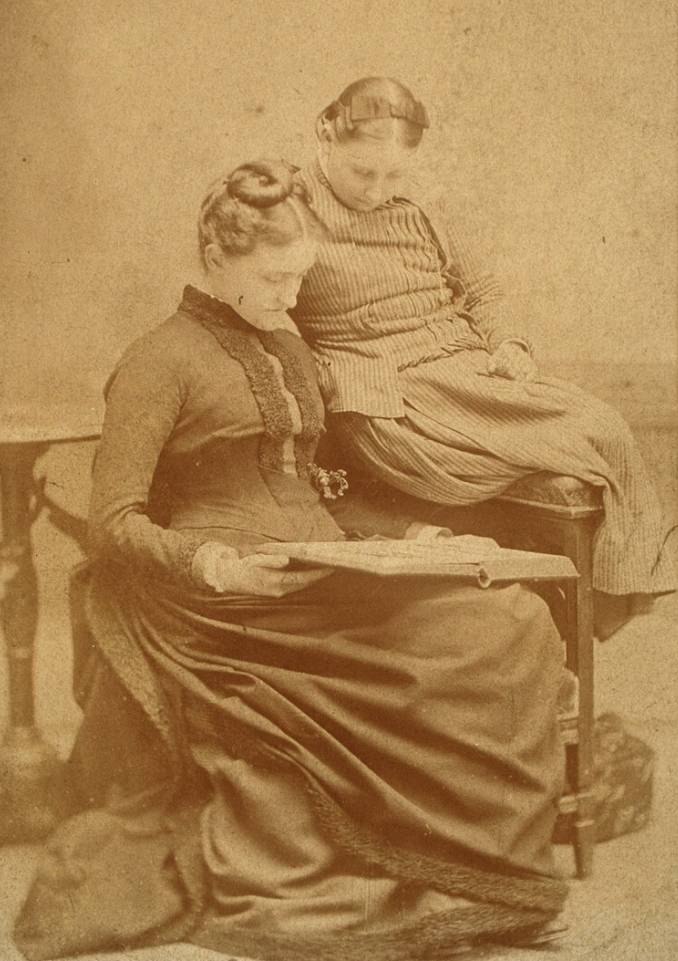
Elizabeth & Amy Lowell. credit: WikiCommons
May 12. The poet Amy Lawrence Lowell died young of a cerebral hemorrhage. She had been born in 1874 to our parishioners Augustus Lowell (1830-1900) and Katherine Bigelow Lawrence (1832-95), daughter of daughter of Abbott Lawrence (1792-1835). Her partner Ada Dwyer Russell was the subject of many of her romantic poems. A volume of her complete works was published in 1955.
Many members of the Lawrence and Lowell families attended Emmanuel. They are buried in the Lowell plot (#3401) on Bellwort Path in Mt. Auburn Cemetery. Among Amy’s six siblings were Elizabeth Lowell Putnam (1862-1935); astronomer Percival Lowell (1855-1916); and President of Harvard College, Abbott Lawrence Lowell (1856-1943).
7 June. Emmanuel became a year-round church with the Rev. Dr. Phillips Endicott Osgood preaching in Lindsey Chapel throughout the summer. He was to be installed as our fifth rector in February 1932.
1924
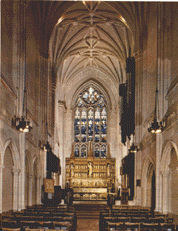
photo by Michael Scanlon
February. Amy Beach’s Te Deum and Benedictus es were premiered at Emmanuel.
Palm Sunday. Beach’s anthem Let This Mind Be in You (op. 105) was first sung.
October 1. Lindsey Chapel, a memorial and gift of Leslie Lindsey’s parents, was consecrated.
1923
The Rev. Percy Tom Edrop (1883-1945) became assistant to Elwood Worcester and began to preach at our afternoon services. Having immigrated as a teenager from Birmingham, England, he had worked his way up in journalism to become city editor of the New York American. He served at Emmanuel until June 1926, when he became rector of All Saints, Belmont MA. In 1929 he became Dean of Christ Church Cathedral in Springfield MA.
1922
25 Nov. William Lindsey, Jr. died before completion of his last and greatest creation, our Leslie Lindsey Memorial Chapel. He had been born to Maria and William Lindsey on 12 August 1858 in Fall River MA. He is buried in the Lindsey plot (6462) on Cherry Ave. in Mt. Auburn Cemetery. For his Horatio Alger story, see FindaGrave. His funeral was held here on 29 November. He was survived by his wife Anne Hawthorne Sheen (whom he had married in Fall River in 1884), their son Kenneth L. Lindsey and daughter Dorothy Lindsey, his sisters Ann & Eliza Lindsey, and his brother Dr. John H. Lindsey.